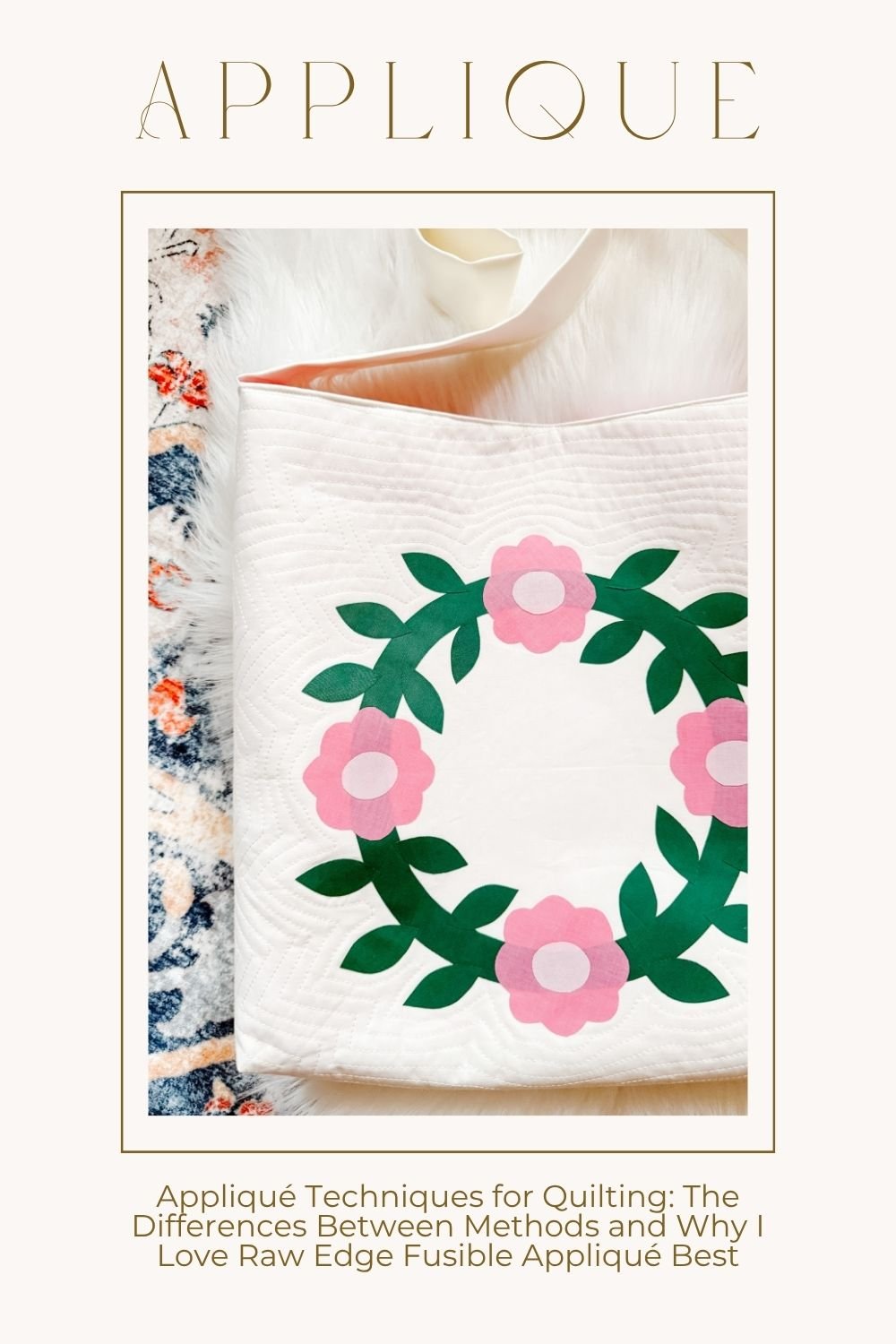
Appliqué Techniques for Quilting: The Differences Between Methods and Why I Love Raw Edge Fusible Appliqué Best
Learn the difference between the most popular appliqué techniques for quilting, including needle-turn, raw edge, fusible, and reverse appliqué, and discover why raw edge fusible appliqué is my favorite method.
Did you know appliqué has been used in quilting for centuries, yet quilters still have strong opinions about the “best” method? I get it—there are so many ways to appliqué, and each one creates a completely different look and experience at the sewing machine. Some methods are traditional and hand stitched. Some are crisp and polished. Some are quick, creative, and wonderfully forgiving.
If you’ve ever felt confused by the different appliqué techniques used in quilting, you are not alone! When I first started exploring appliqué, I quickly realized that the method you choose affects everything: the look of the quilt, the sewing process, the amount of prep work, and even how confident you feel while making it.
In this post, I’m breaking down the main types of appliqué for quilting, the pros and cons of each one, and why raw edge fusible appliqué has become my personal favorite. It’s approachable, flexible, creative, and honestly just so much fun.
What Is Appliqué in Quilting?
Appliqué is simply the process of attaching fabric shapes onto a background fabric to create a design. That’s it. At its core, it’s one piece of fabric layered on top of another—but oh my goodness, the possibilities with it are endless.
In quilting, appliqué is often used to make flowers, leaves, letters, shapes, and all sorts of decorative motifs that would be difficult to piece traditionally. Instead of sewing small pieces together like patchwork, you place your shape on top of the background and secure it in place.
Appliqué can be done by hand or by machine, and there are several different ways to do it. Some methods give you a soft, polished, traditional finish. Others feel more relaxed, textural, and modern. Some are very precise. Some are a little more forgiving. And honestly? That’s part of what makes appliqué so fun. You can find a method that really suits the way you like to sew.
The best appliqué technique isn’t the same for everyone. It depends on the look you want, your comfort level, how much time you want to spend, and what kind of project you’re making. If you love a clean, heirloom finish, one method might suit you best. If you want something approachable, creative, and beginner friendly, another might feel like a much better fit.
That’s why it helps to understand the different appliqué techniques before you begin—because once you know what each one offers, it becomes so much easier to choose the one that feels right for you.
The Main Types of Appliqué Techniques for Quilting
If you’re new to appliqué, it can feel like there are a million different ways to do what is technically the same thing: attach one piece of fabric to another. But really, the main difference comes down to how the edges are finished, how the shapes are attached, and whether you’re working by hand, by machine, or a little bit of both.
Some methods are more traditional and polished. Some are faster and more relaxed. Some are perfect if you love hand stitching and tiny details. Others are amazing if you want to get your shapes placed, stitched, and admired without making it a whole ordeal. And honestly? That’s part of the beauty of appliqué. There isn’t just one right way.
Needle-turn appliqué is one of the most traditional methods. This is a hand-stitching technique where you turn the raw edge under as you sew the shape down. It gives a really soft, beautiful, heirloom kind of finish. It’s lovely. It’s timeless. It’s also definitely slower, and for some of us, a little more patience-testing too.
Prepared-edge appliqué is another method with a clean, polished finish. With this one, the edges are turned under before the shape is stitched onto the background. There are a few ways to do that, and quilters use all kinds of tools and tricks to prep their shapes. The end result is neat and refined, especially if you love a more classic look.
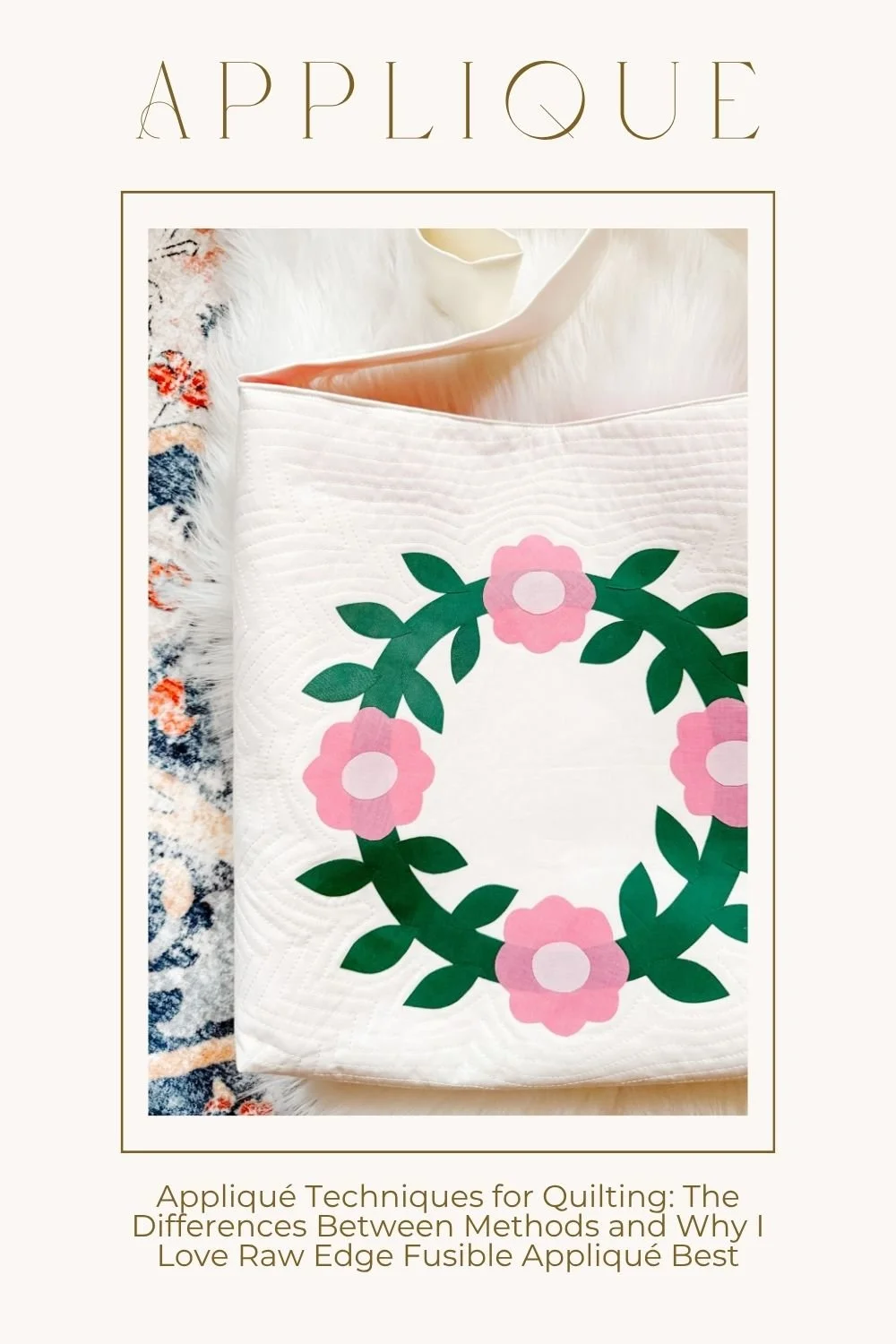
Raw edge appliqué is much more relaxed. Instead of turning the edges under, you leave them raw and stitch the shape directly onto the background. This method feels more playful and approachable to me. It can look a little more modern, a little more organic, and a little less fussy—which I personally love.
Fusible appliqué refers to using a fusible web to bond the fabric shape to the background before stitching. This helps hold everything in place, which can make the whole process feel way less stressful, especially if you’re working with layered shapes or detailed designs. It’s a huge help with placement and keeps things from shifting all over the place while you sew.
Then there’s reverse appliqué, which is a little different from the others. Instead of placing a shape on top of a background fabric, you layer fabrics and cut away the top layer to reveal the fabric underneath. It creates a really striking look and can be incredibly beautiful, especially in more artistic or decorative quilt projects.
And just to make things a tiny bit more confusing—but in a good way—some appliqué methods overlap. Raw edge fusible appliqué is the perfect example. That’s the method I use and love most. The edges stay raw, but the shapes are fused down first, which gives you the ease and stability of fusible appliqué with the relaxed look of raw edge appliqué. Best of both worlds, if you ask me.
Needle-Turn Appliqué: A Traditional Hand-Stitched Method
Needle-turn appliqué is one of the most traditional appliqué methods in quilting, and honestly, it has such a beautiful, timeless feel to it. If you love heirloom quilts, soft curves, and that refined hand-finished look, this is usually the method people are talking about.
With needle-turn appliqué, each fabric shape is placed onto a background fabric and stitched down by hand. As you sew, you use the tip of your needle to gently turn the raw seam allowance under little by little. Instead of folding and pressing all the edges first, you’re turning them under as you go, which gives the shapes a smooth, delicate finish.
The result is really lovely. The edges look soft and clean, there are no visible raw edges, and the whole quilt tends to have that classic, elegant look so many people associate with traditional appliqué. It’s the kind of technique that feels full of history. You can absolutely see why it has remained so loved for generations.
Needle-turn appliqué is often used in traditional quilts and heirloom-style pieces where that polished, hand-stitched finish is part of the charm. It has a quieter look than raw edge appliqué, and it feels a little more formal too.
What’s beautiful about needle-turn appliqué:
→ Soft, refined finished edges
→ No visible raw edges
→ Elegant, classic, heirloom appearance
That said, it’s definitely not the fastest appliqué method. It takes time, patience, and a fair bit of precision. Because you’re stitching by hand and turning the seam allowance under as you sew, it can feel a little fiddly at first, especially for beginners. It’s one of those techniques that often gets easier and more enjoyable with practice, but it does ask you to slow down.
A few things to keep in mind:
→ It’s more time intensive than fusible appliqué or raw edge methods
→ It usually requires more precision and patience
→ It can feel less beginner-friendly for many quilters
I really admire needle-turn appliqué. It’s gorgeous. But it’s also a method for quilters who enjoy the slower, more meticulous side of the process. If you love handwork and want that truly classic appliqué look, it might be exactly your thing.
Prepared-Edge Appliqué: Crisp and Polished
Prepared-edge appliqué is exactly what it sounds like: before you stitch your shapes down, you turn the seam allowances under so the raw edges are tucked away. Instead of stitching over a raw edge, you’re working with a shape that already has a finished edge prepared ahead of time. It creates a much cleaner, more polished look, and it’s especially lovely if you want your appliqué to feel neat and refined.
There are a few different ways quilters do this. Some use freezer paper to help shape and press the edges under. Some use starch to hold everything in place. Some use glue, and others use interfacing or specialty products to prep the shape before stitching. There’s definitely more than one way to go about it, which is nice, but the big idea is always the same: you’re preparing the shape first so the finished result looks smooth and tidy.
And honestly, the result can be so beautiful. Prepared-edge appliqué has that crisp, polished feel that works really well for detailed shapes, traditional motifs, or anything where you want those edges to look very clean and intentional. It tends to feel a little more controlled than needle-turn for some quilters too, because so much of the shaping happens before you even start stitching.
That said, it’s not usually the method I reach for first. It takes more prep, and depending on the shapes, it can start to feel a bit fiddly. There’s more pressing, more shaping, more handling, and sometimes it can slow the whole process down. For quilters who love precision, that might be part of the appeal. But for me, when I want to make something playful, layered, or a little more organic, it can feel less relaxed and less spontaneous than raw edge fusible appliqué.
Still, it absolutely has its place. If you love a clean finish, want more control, or you’re working with intricate shapes that need a polished edge, prepared-edge appliqué can be such a beautiful choice.
Raw Edge Appliqué: Relaxed, Textural, and Creative
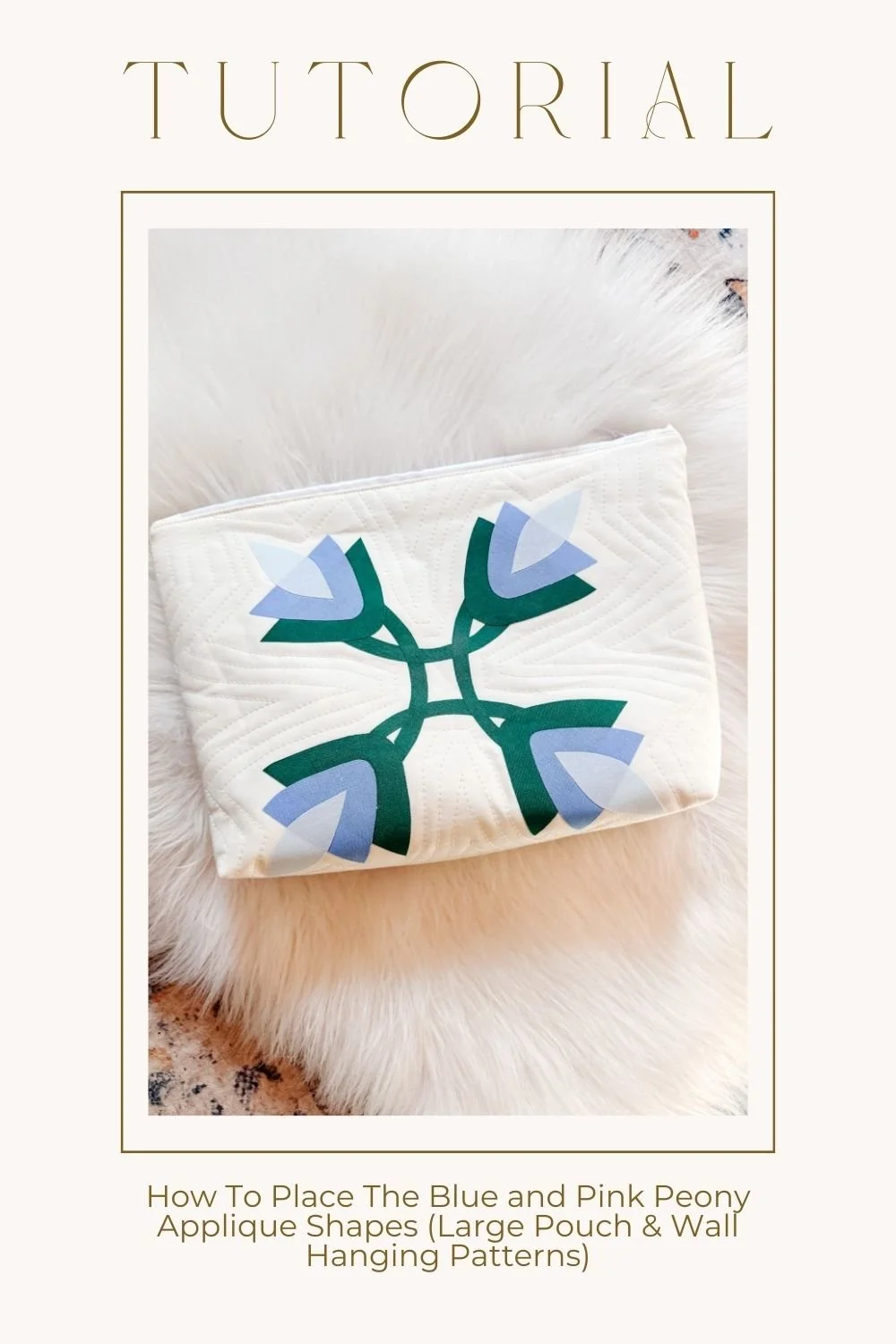
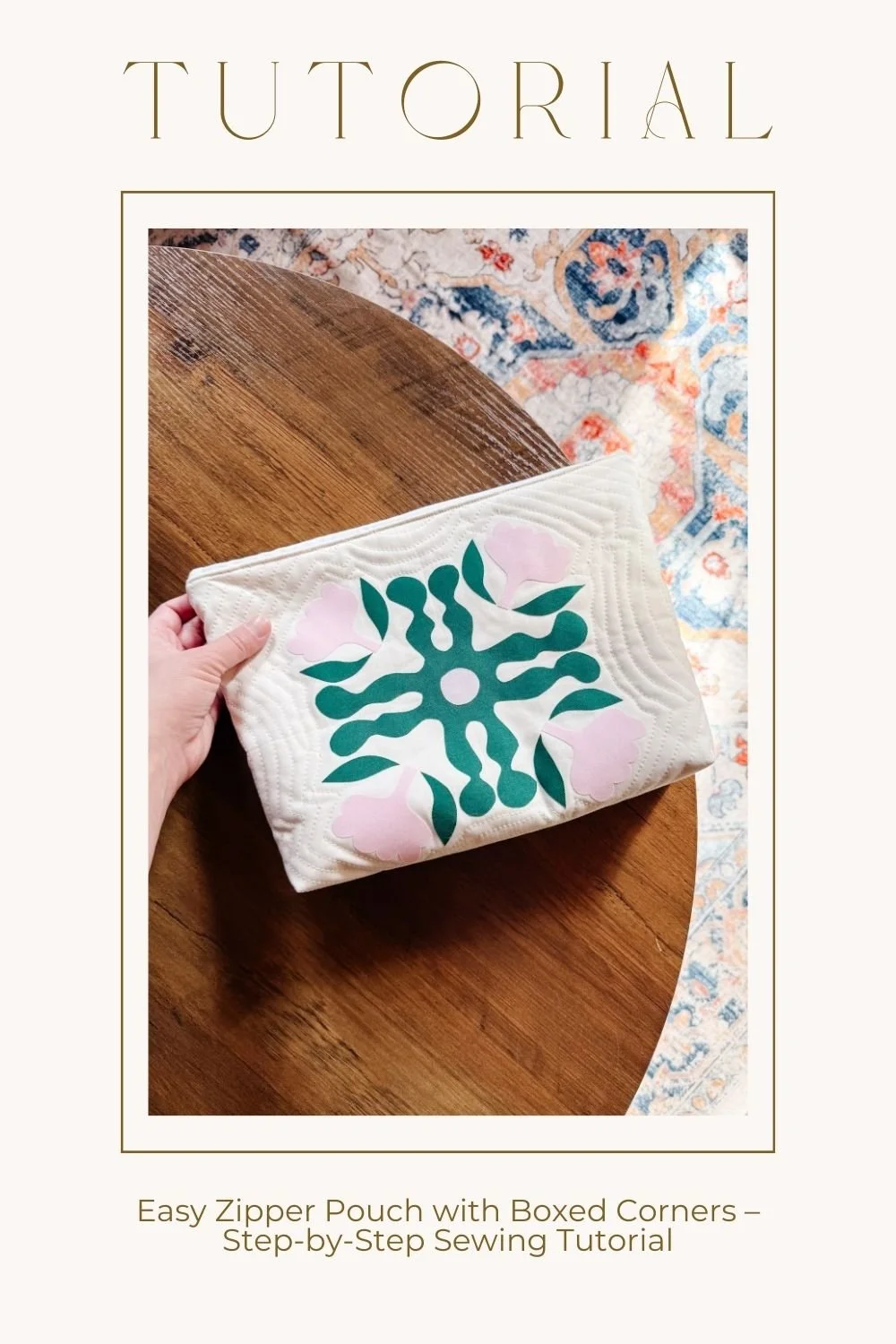
Raw edge appliqué is exactly what it sounds like: the edges of the fabric shapes are left exposed instead of being turned under. Rather than hiding every raw edge, you let them be part of the finished look. The shapes are fused or placed onto the background fabric and then stitched down, either by machine or by hand.
This method has a much more relaxed feel than traditional turned-edge appliqué. It feels a little freer, a little less fussy, and a lot more approachable—especially if you love quilts that feel expressive and handmade in the very best way. Raw edge appliqué works beautifully for bold florals, simple shapes, playful motifs, and modern quilt designs where texture and personality really get to shine.
One of the things I love most about raw edge appliqué is that it does not ask for perfection. In fact, a little softness around the edges can add so much charm. Slight fraying over time is often part of the appeal. It gives the piece movement, texture, and that lovely worn-in feeling that makes a quilt feel deeply human and full of life.
There are so many reasons quilters love this technique. It is faster than turned-edge methods because you skip all that extra prep work. It is also much easier for beginners to learn, which makes it such a nice entry point into appliqué. And visually, it is a wonderful fit for bold shapes and modern quilt designs because it feels fresh, artistic, and full of character.
That said, raw edge appliqué does have a few trade-offs. Because the edges are exposed, they can fray more over time, especially with regular washing and use. The overall finish is also less formal, so it may not be the right choice if you want a very polished or heirloom-style look. And for very intricate, highly detailed traditional appliqué, another method may give you more control.
Still, if you are drawn to appliqué that feels creative, textural, and a little more easygoing, raw edge appliqué is such a beautiful option. It lets the fabric speak for itself, and I think that is part of what makes it so special.
Fusible Appliqué: Fast, Stable, and Beginner Friendly
Fusible appliqué is one of the easiest ways to get started with appliqué, and honestly, it’s such a lovely option if you want things to feel a little less fiddly. Instead of pinning and hoping your shapes stay where you put them, you use a fusible web to bond the appliqué pieces to your background fabric before stitching them down. Basically, the fusible acts like a little helper behind the scenes, holding everything in place so you can focus on sewing instead of chasing fabric around.
This method can be used for both raw edge and finished-edge appliqué, depending on how you choose to make your shapes. If you leave the edges exposed and stitch around them, that’s raw edge fusible appliqué. If you turn or finish the edges first, you can still use fusible to help secure them before sewing. So fusible appliqué really describes the way the shape is attached before stitching, not just the final look.
One of the biggest reasons quilters love fusible appliqué is because it makes placement so much easier. You can arrange your shapes, step back, move things around, and once you’re happy, press them into place. That little bit of stability makes a huge difference, especially when you’re working with layered designs like flowers, leaves, stems, or other detailed motifs. It’s also incredibly common in machine appliqué and quilting because it helps everything stay neat and flat while you sew.
There’s a lot to love about it. Your shapes stay put. Placement is easier. It speeds up the process. And it works beautifully for layering multiple pieces without everything shifting out of place. For anyone who wants a more approachable appliqué method, it can feel like a total game changer.
That said, it’s not perfect. Some fusibles can make the fabric feel a bit stiffer, especially if they’re heavier. And not all fusible webs behave the same way—some are softer and more flexible, while others have a firmer feel. There are also quilters who prefer more traditional hand-applied methods, especially if they love the softness and heirloom feel of hand stitching.
Still, if you want an appliqué method that feels practical, beginner friendly, and a whole lot less stressful, fusible appliqué is such a good place to start. It takes a process that can feel intimidating and makes it feel doable—which, in my opinion, is always a very good thing.
Reverse Appliqué: A Layered and Artistic Technique
Reverse appliqué is such an interesting technique because instead of placing a shape on top of a background, you do the opposite. You layer fabrics, then cut away parts of the top layer to reveal the fabric underneath. It creates this really beautiful peek-through effect that feels thoughtful, textural, and a little bit magical.
It’s a method that naturally adds depth and contrast because you’re working with layers right from the beginning. The fabric underneath becomes part of the design, and that can make the finished piece feel more detailed and dimensional without needing a lot of extra fuss visually. It’s especially lovely in art quilts and decorative textile work where you want the surface of the quilt to feel rich and a little more artistic.
One of the biggest strengths of reverse appliqué is how unique it looks. It has a very different feel from raw edge or fusible appliqué, and it can create really striking contrast depending on the fabrics you use. It also gives your work more dimension, which is part of why so many textile artists are drawn to it.
That said, it’s definitely a more niche appliqué technique, and it can feel a bit intimidating at first. Since you’re cutting away fabric to reveal what’s underneath, it usually takes more planning and a steadier hand. You want to be thoughtful about placement, layering, and cutting, because once that top fabric is cut, there’s no going back.
It’s beautiful, artistic, and full of character—but for beginners, it may feel a little less approachable than some of the other appliqué methods. Still, if you love layered detail and want to experiment with something that feels special and visually rich, reverse appliqué can be such a fun technique to explore.
Raw Edge Fusible Appliqué: Why It Combines the Best of Both Worlds
If you’re new to appliqué, or even if you’ve dabbled in a few methods already, raw edge fusible appliqué is such a lovely middle ground. It gives you the soft, handmade charm of visible fabric edges, but with the added stability and ease of fusible web. That combination is exactly why I love it so much. It feels creative and relaxed without feeling messy or hard to manage.
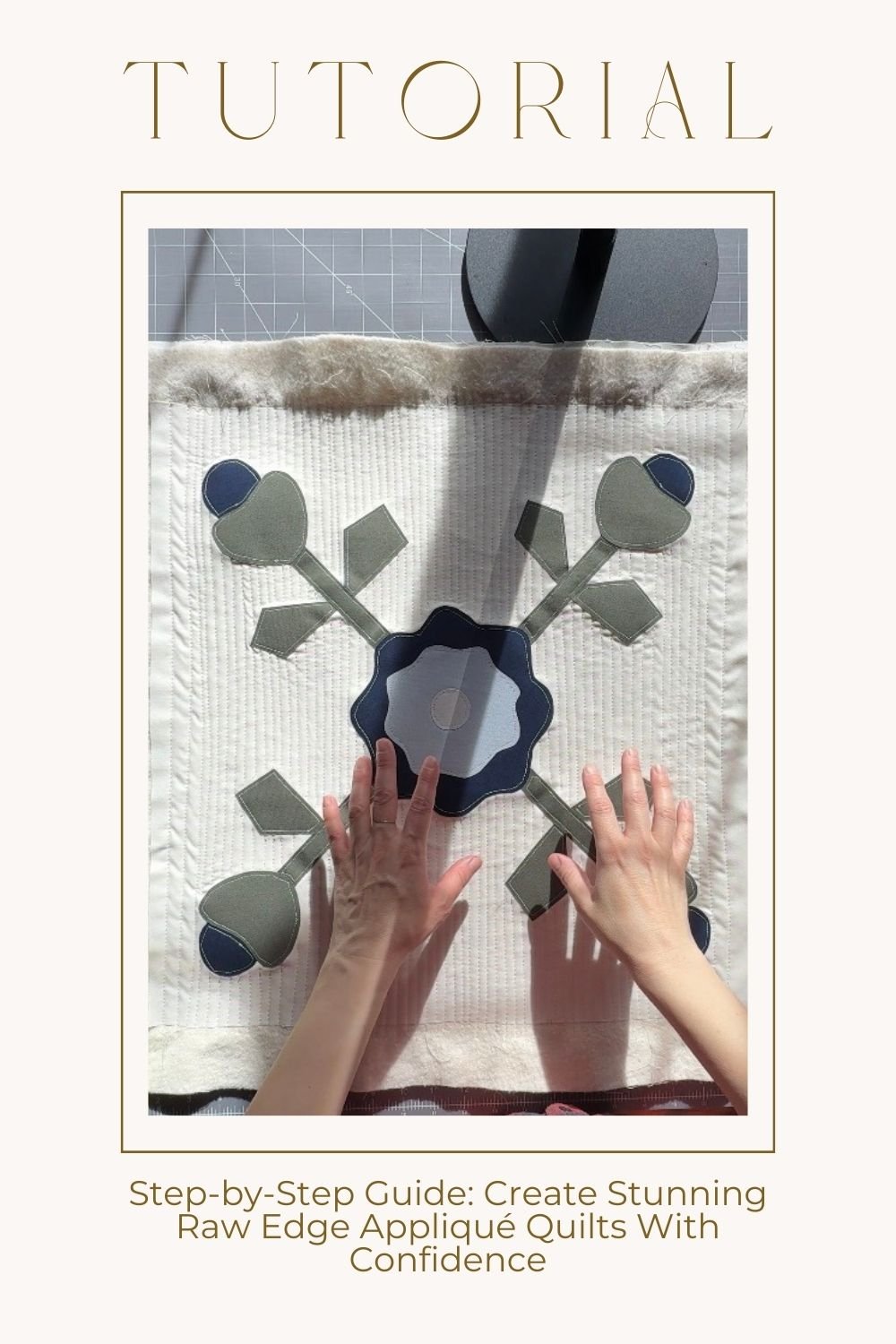
At its core, the process is really simple: you trace your shapes, rough cut them out, fuse them to the wrong side of your fabric, cut them again (this time with more precision), place them on your background, press them in place, and then stitch around the edges. That’s it. No turning tiny seam allowances under. No wrestling with shapes that keep shifting around. No trying to hold everything perfectly in place while you sew and hope for the best. It’s approachable, practical, and honestly just so satisfying.
What I especially love about this method is that it feels secure without feeling fussy. The fusible web helps hold everything where it belongs, which makes the whole process much less intimidating, especially for beginners. But it’s also flexible enough to let you be creative. You can layer shapes, play with placement, build floral motifs, and create designs that feel full of movement and personality.
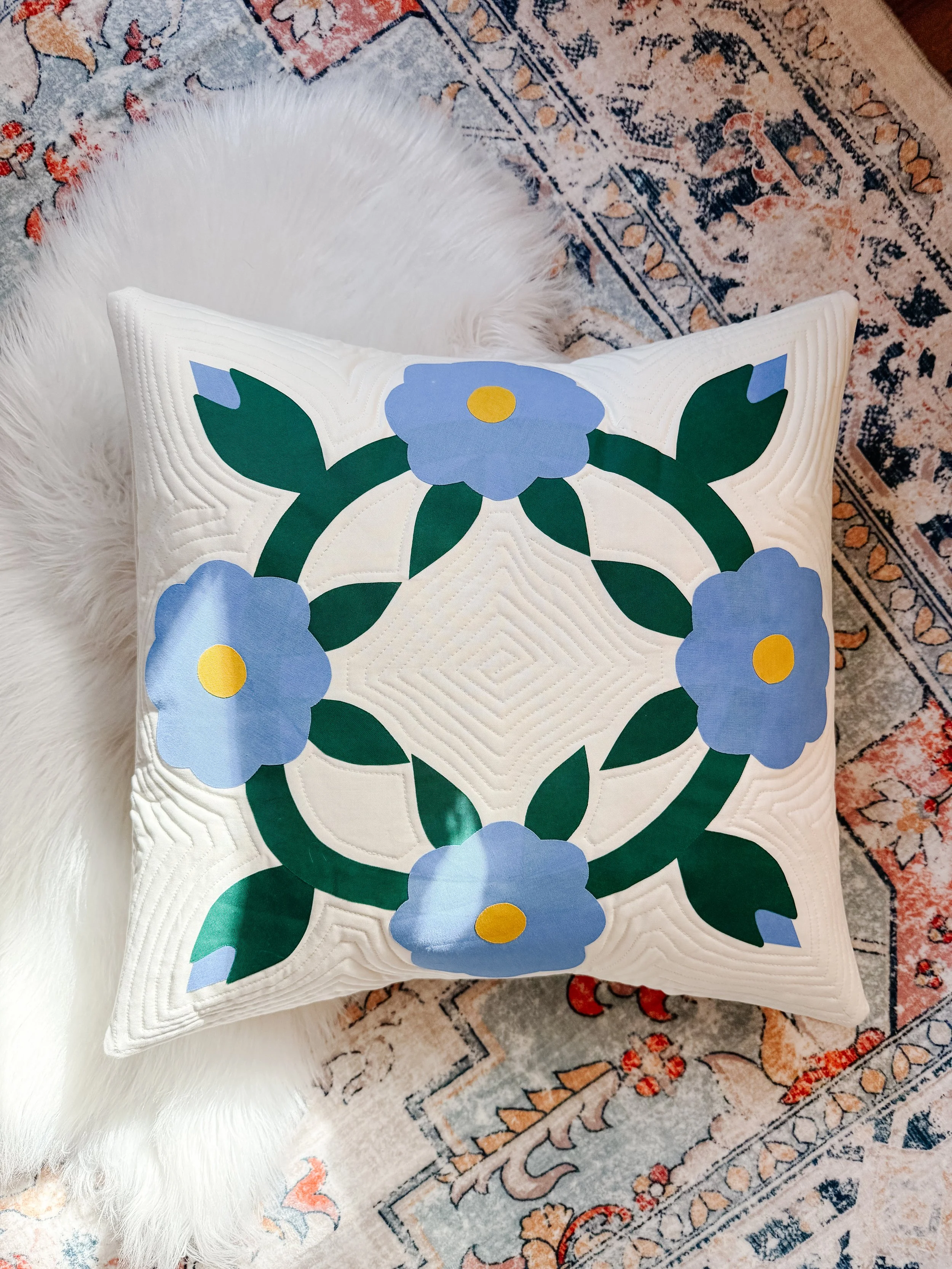
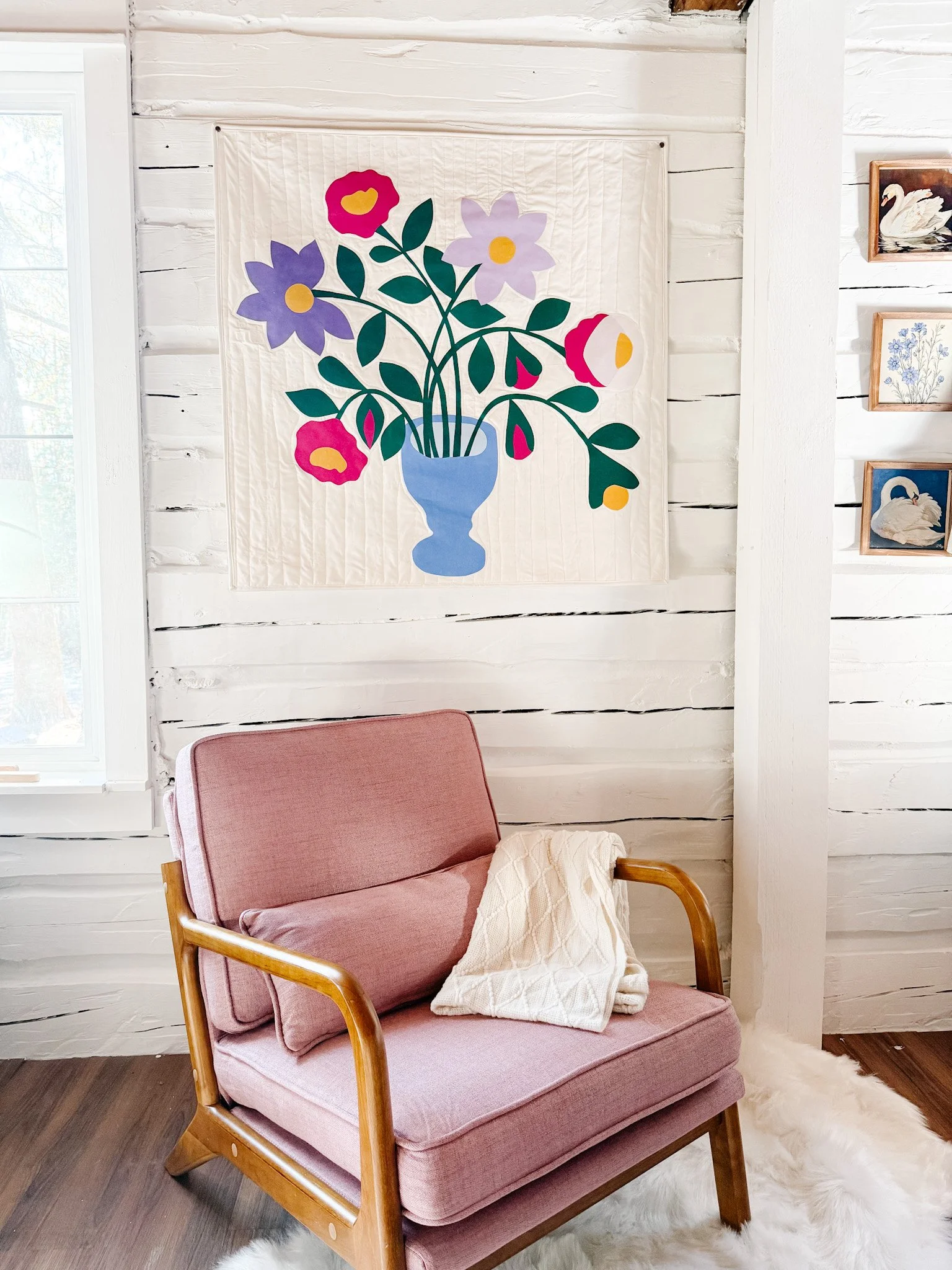
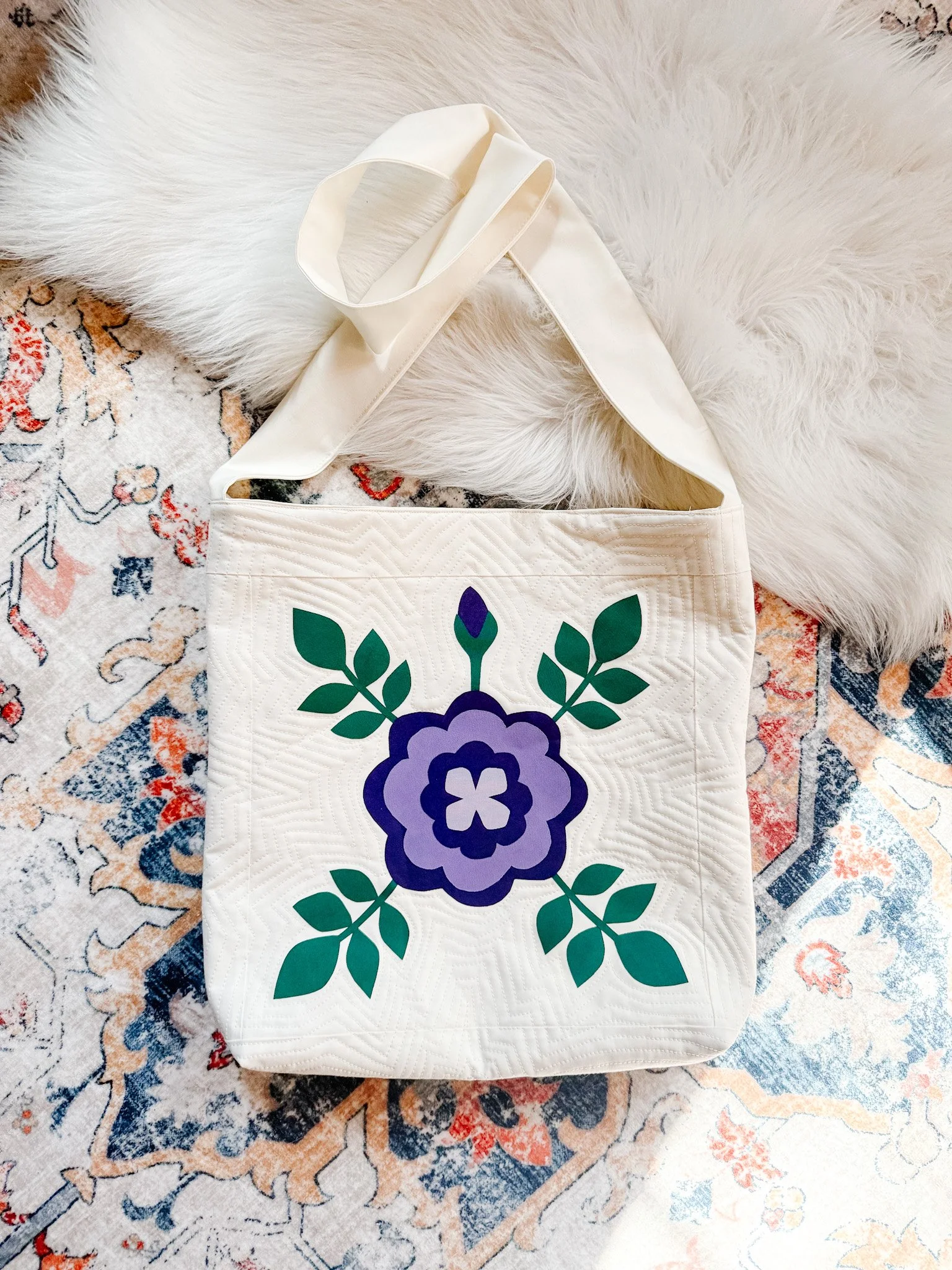
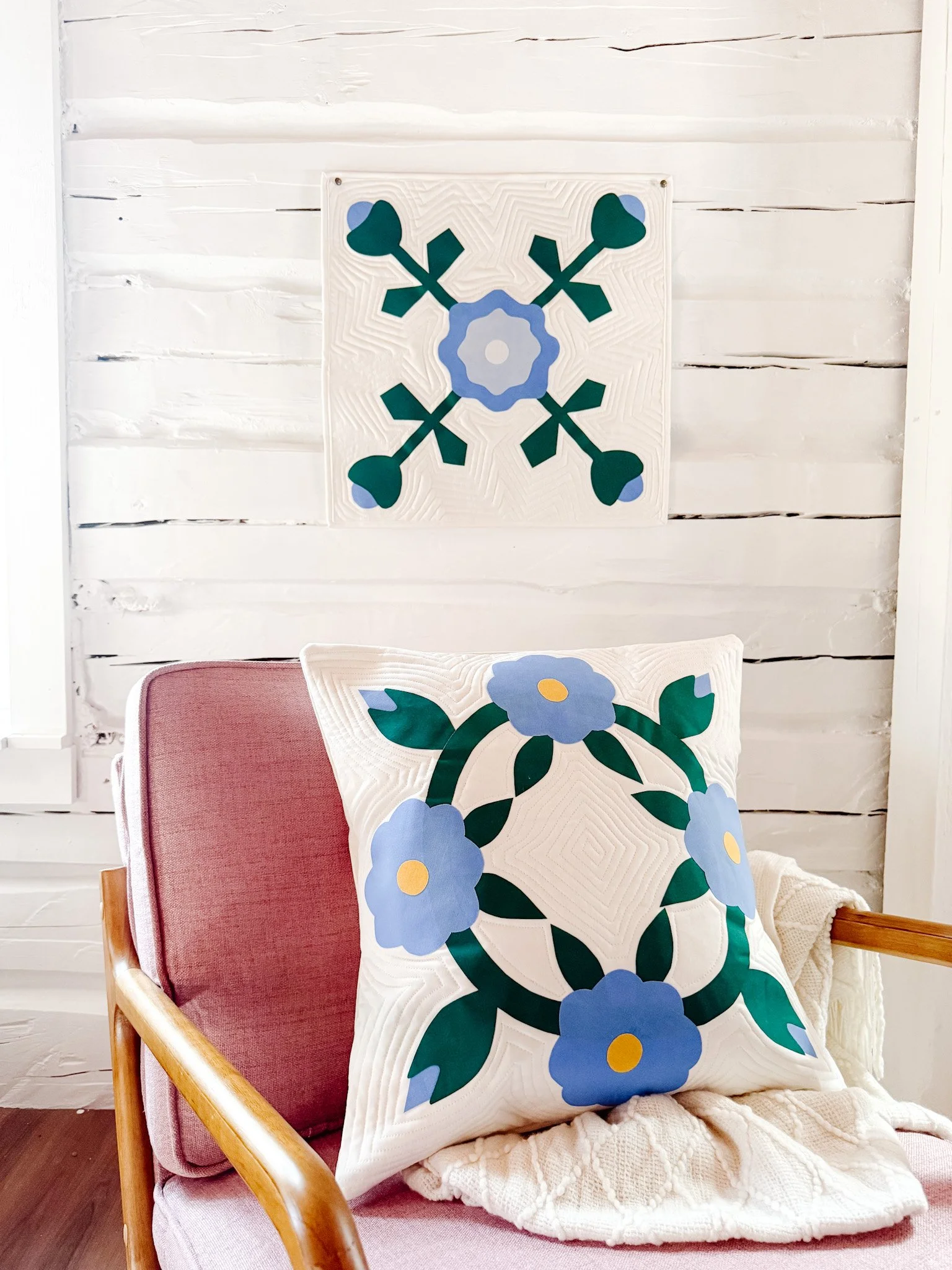
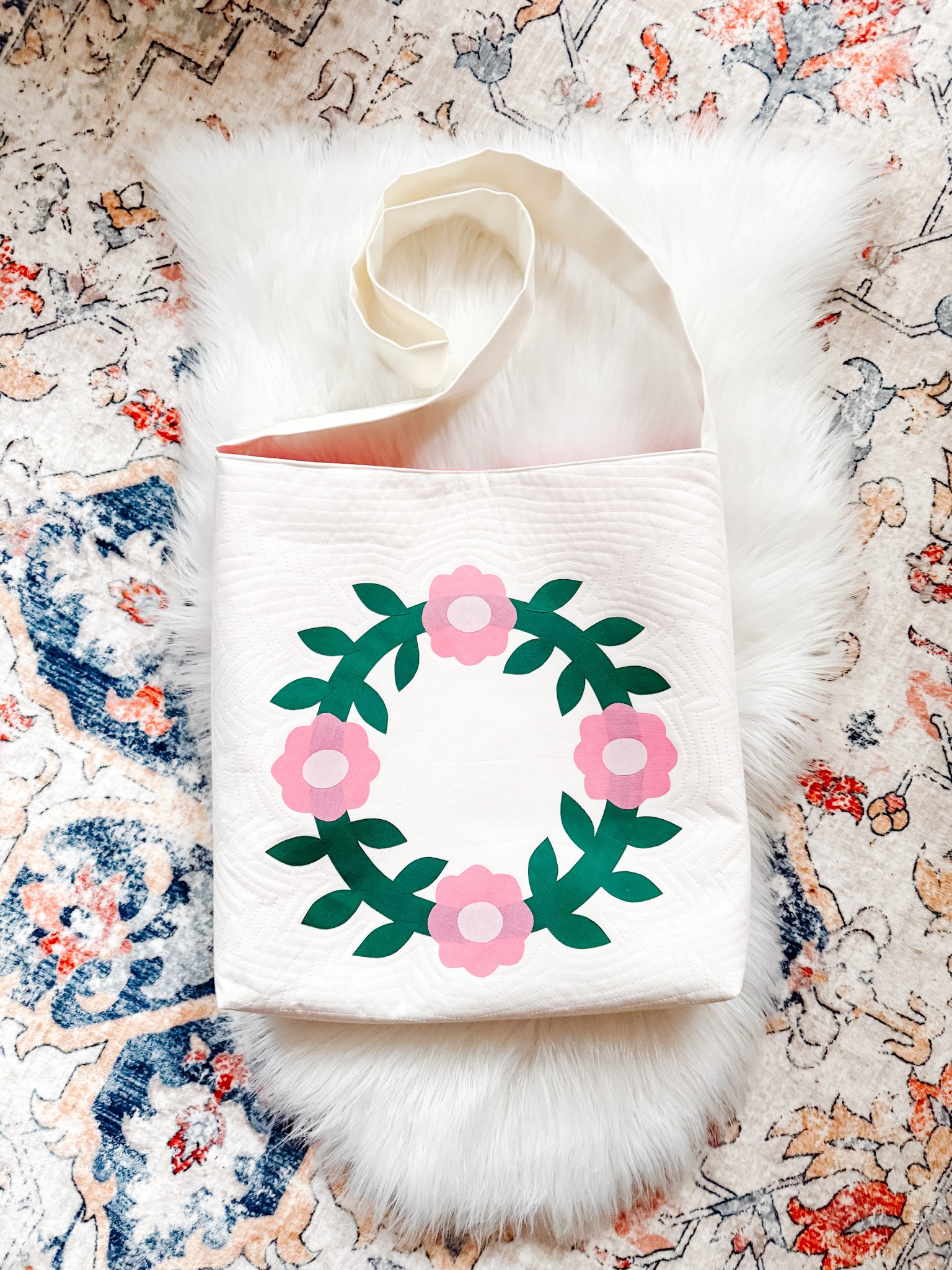
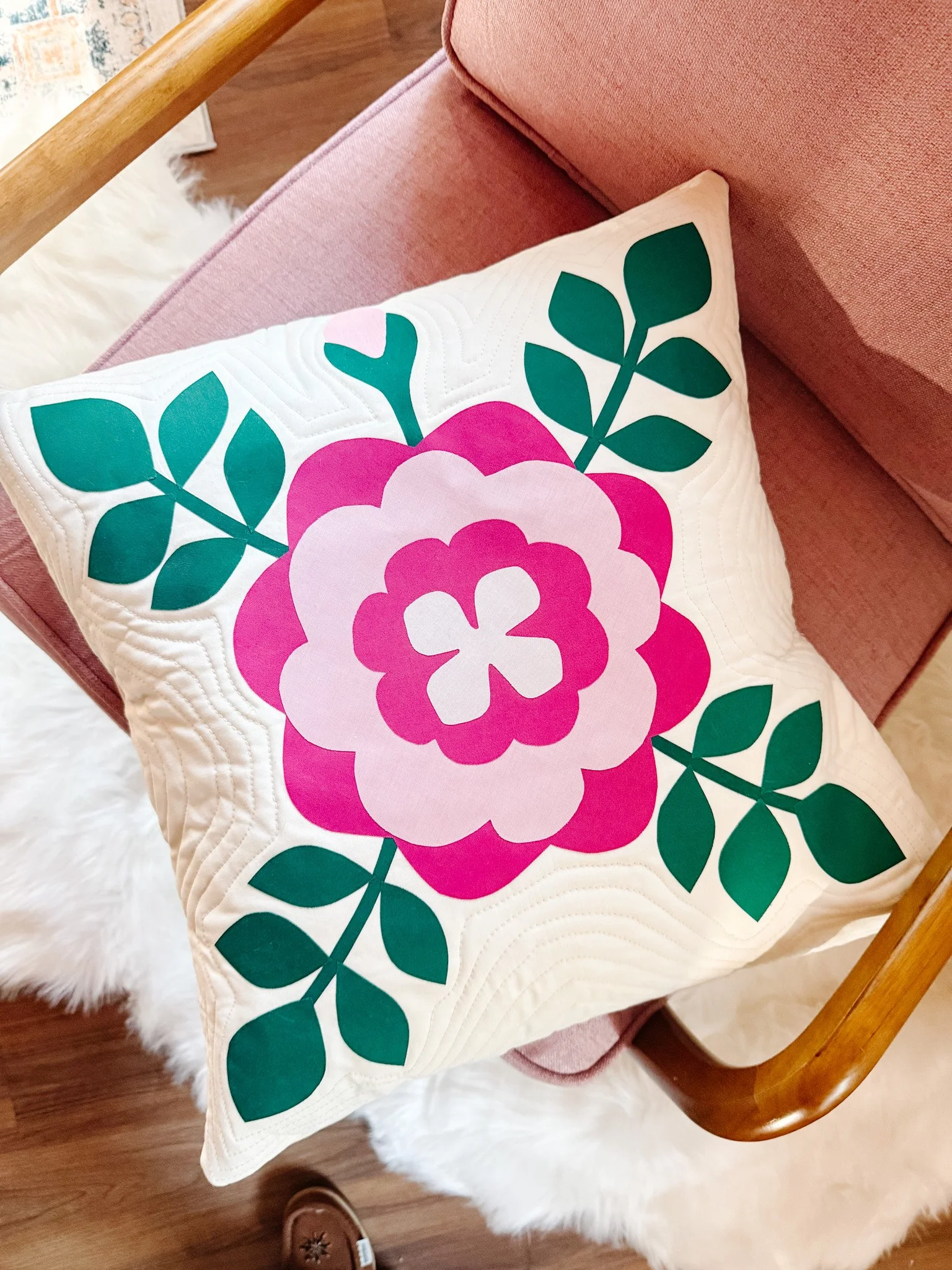
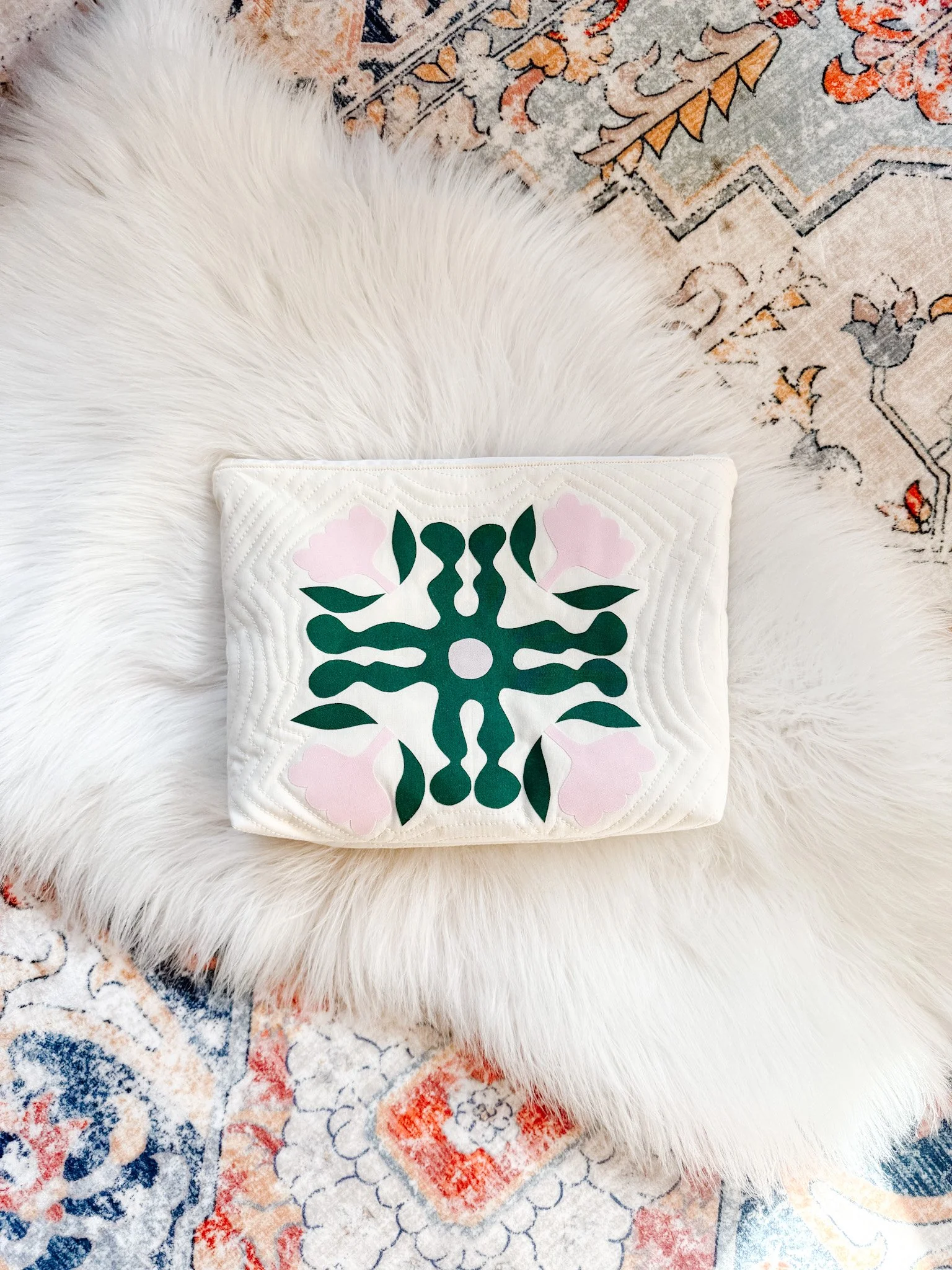
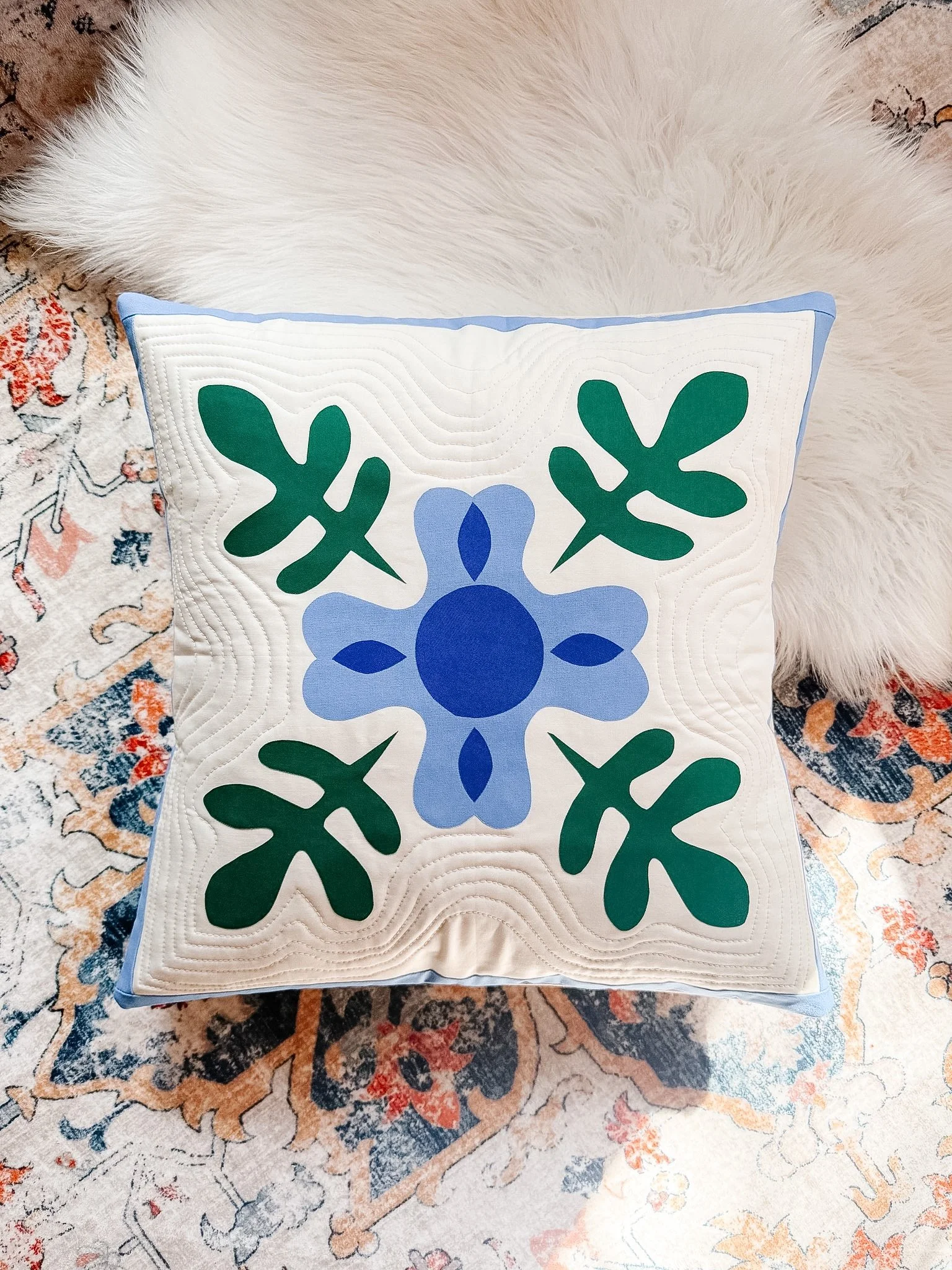
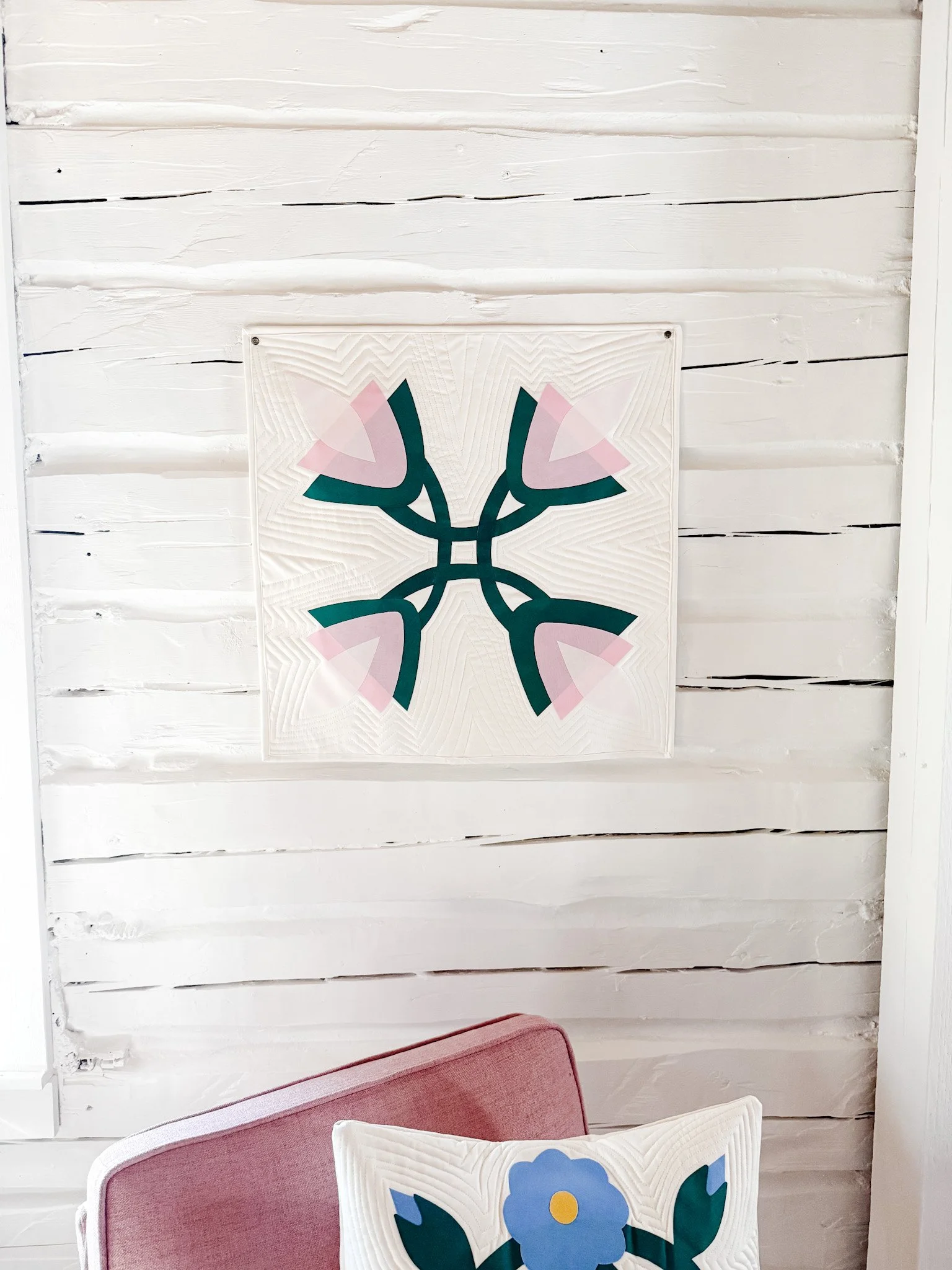
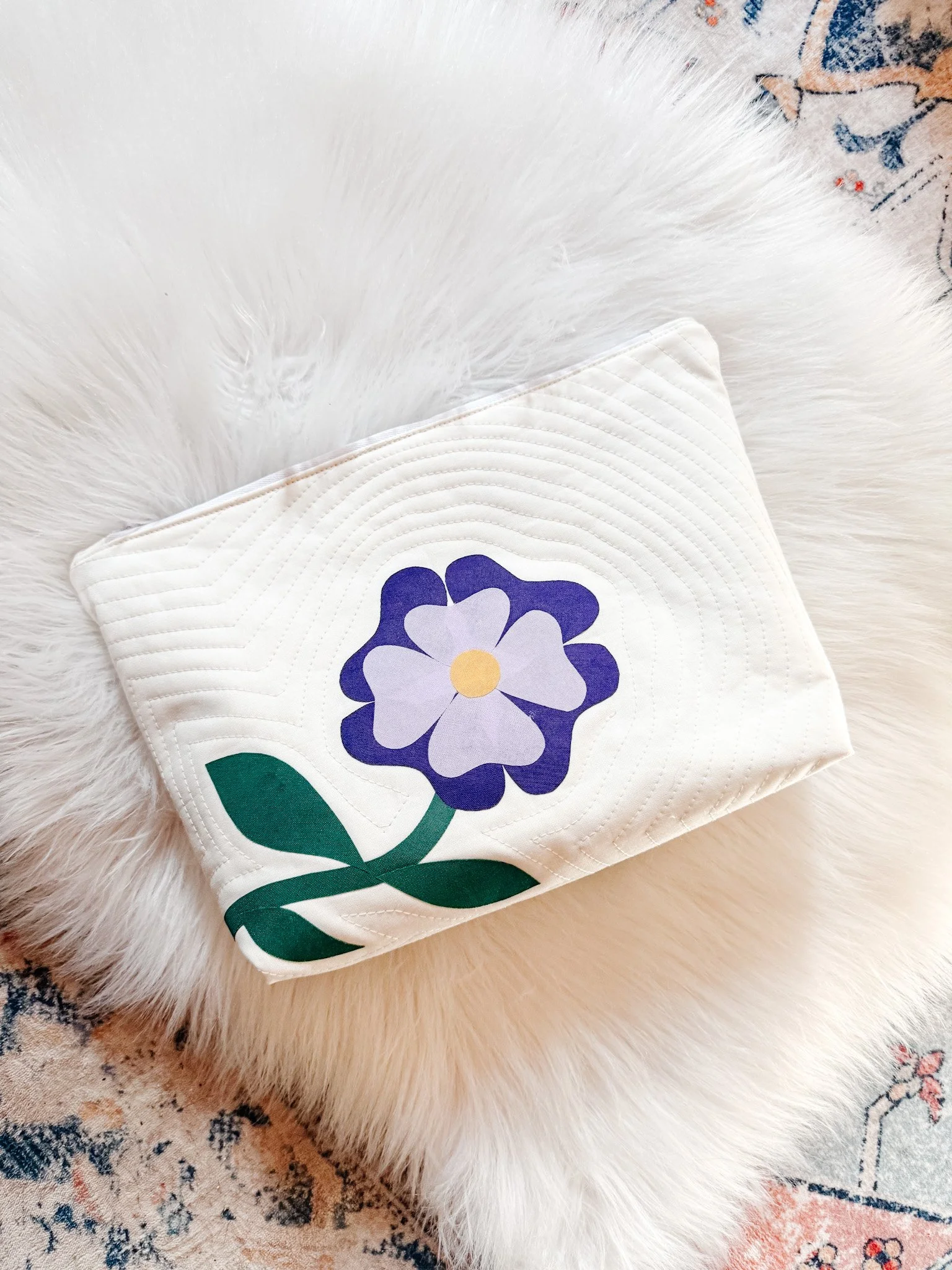
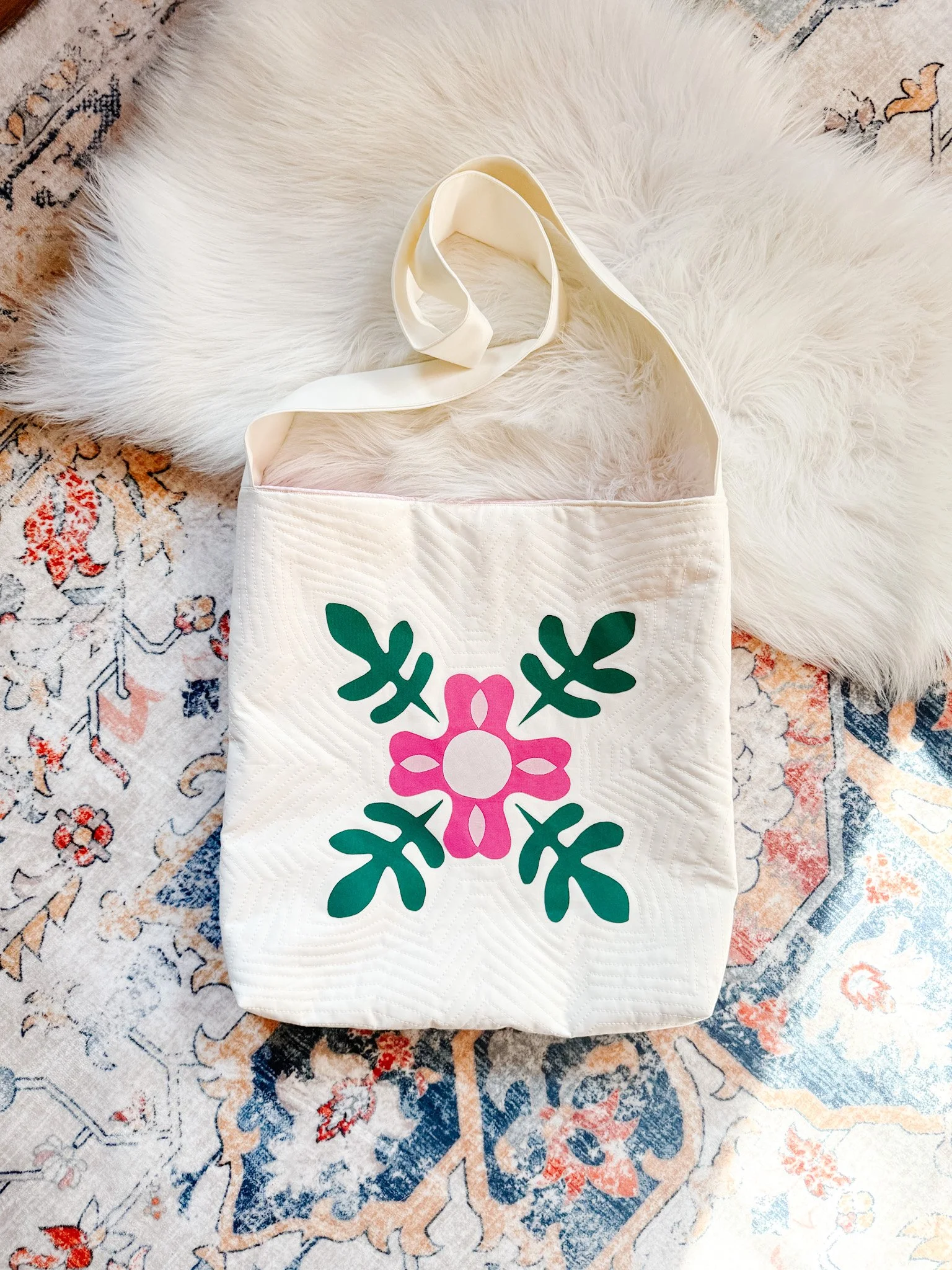
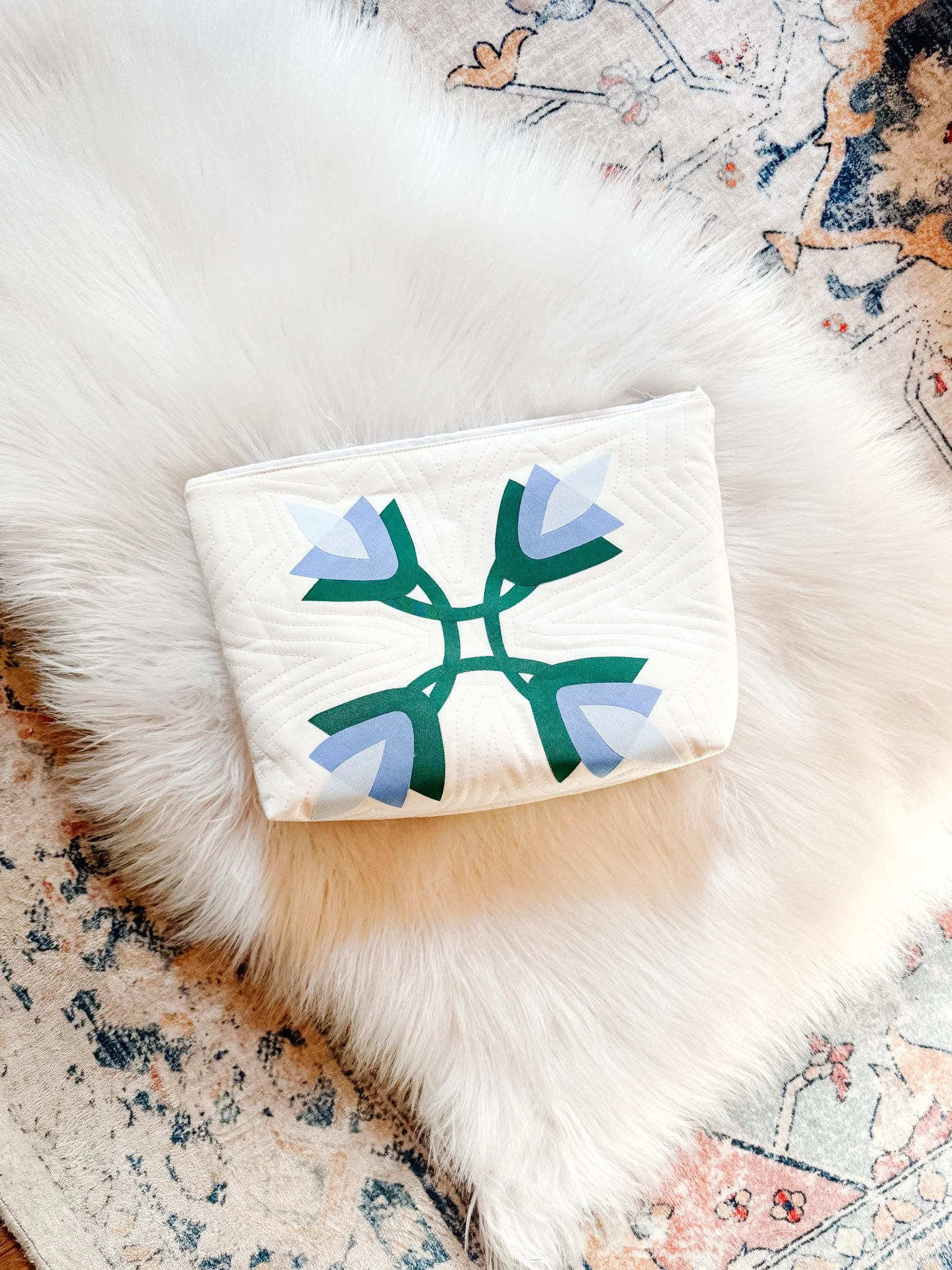
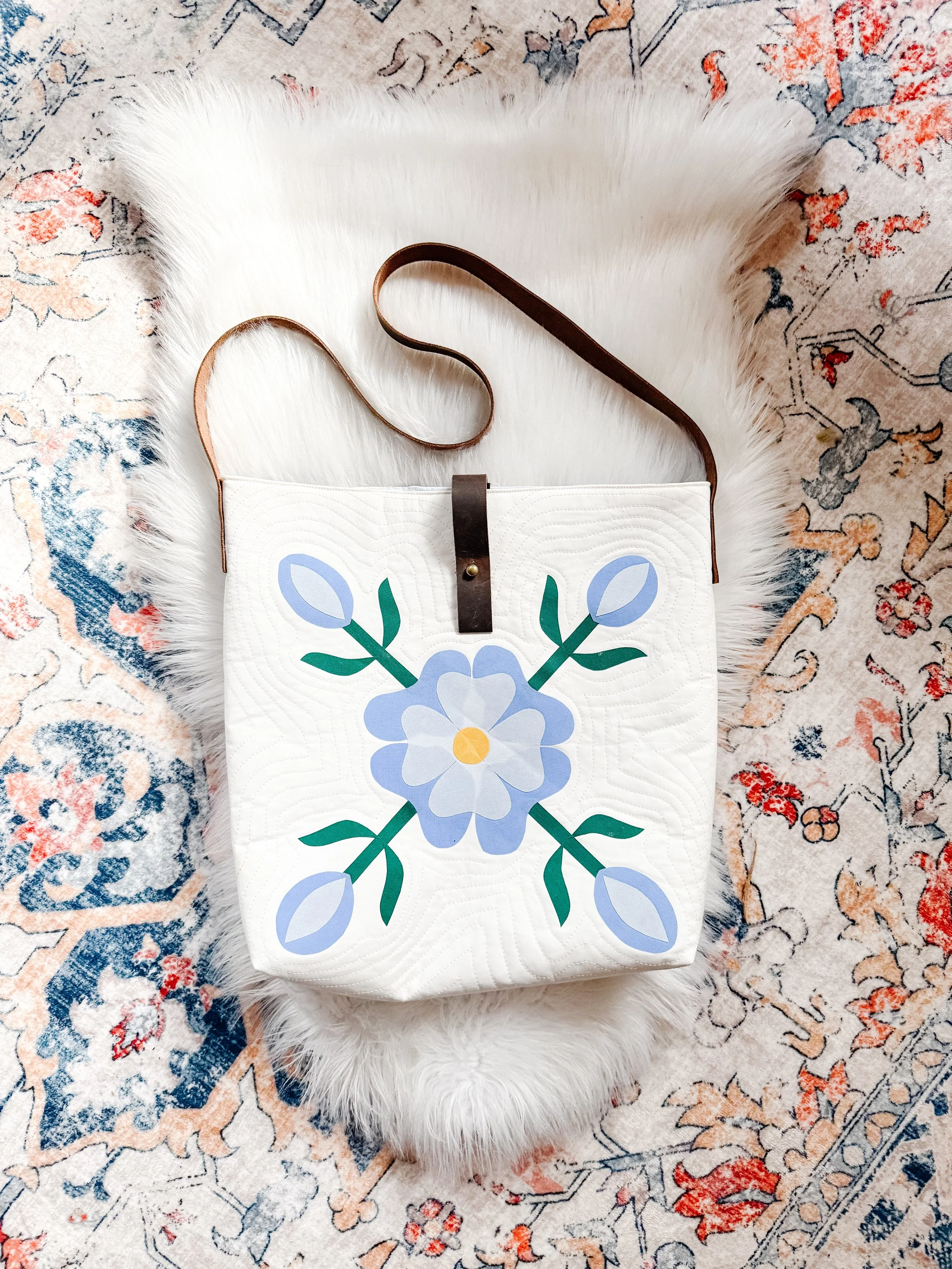
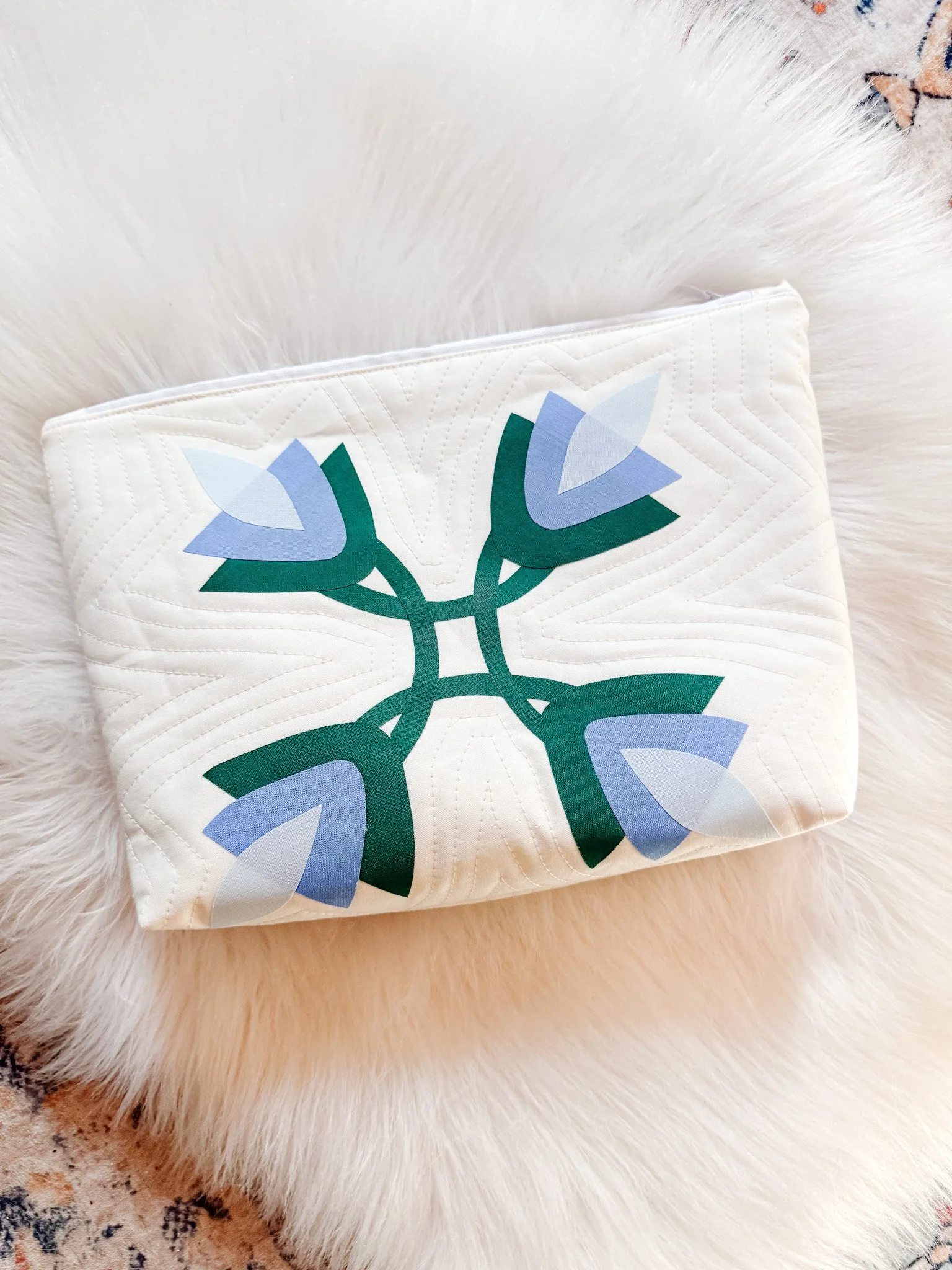
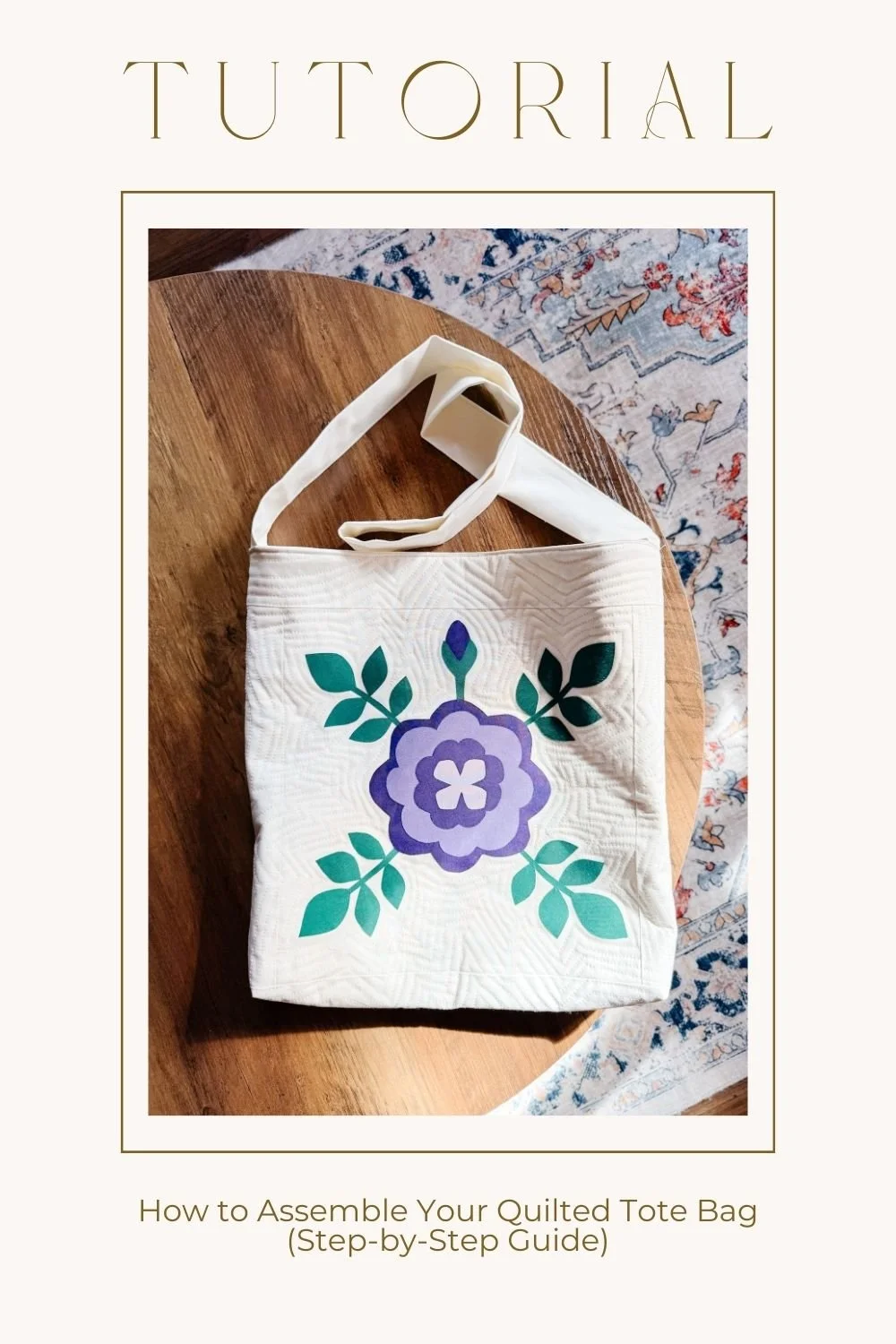
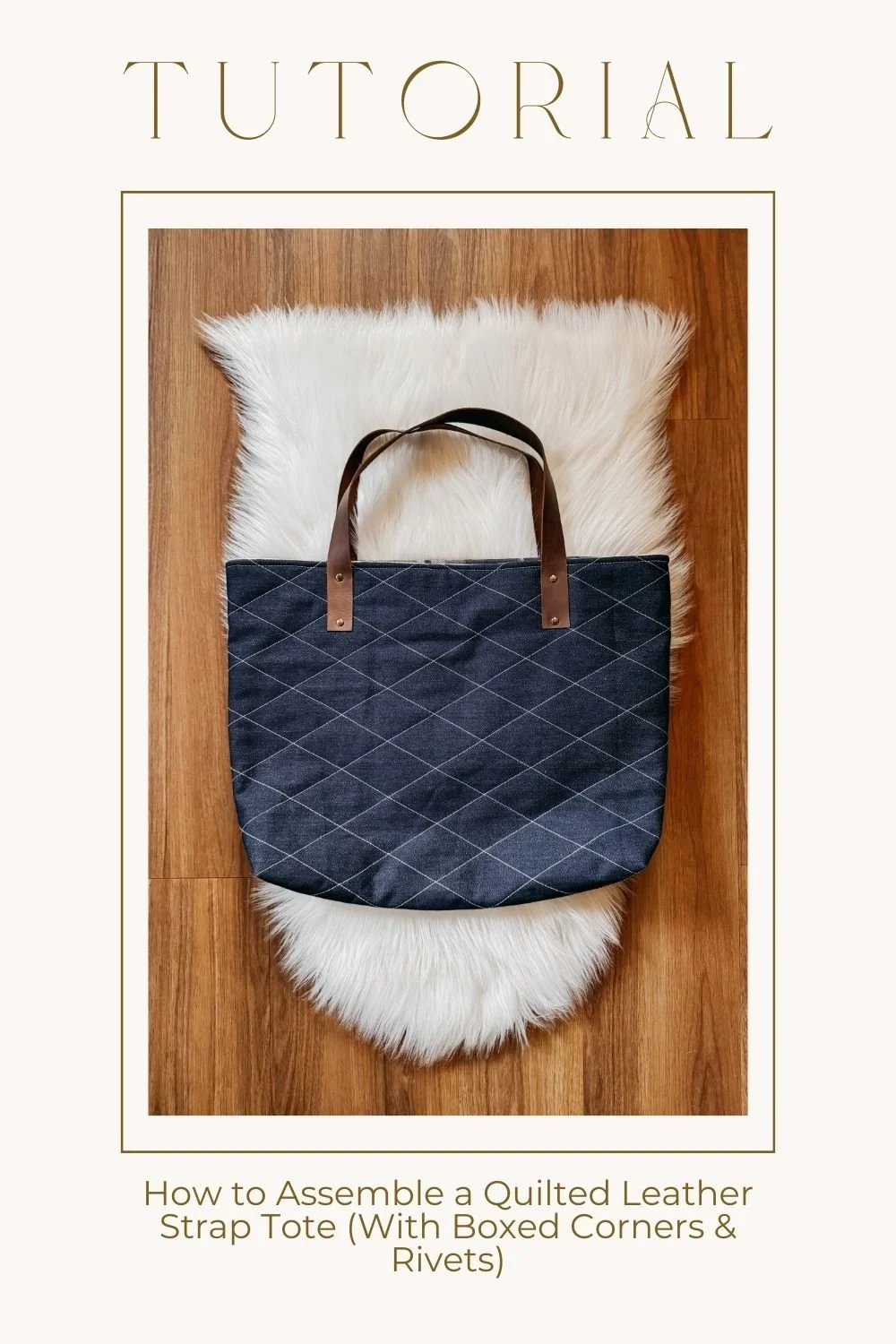
And truly, it works for so many different kinds of projects. Raw edge fusible appliqué is beautiful for floral quilts, of course, but it’s also perfect for modern quilt designs, tote bags, pillows, wall hangings, pouches, and all sorts of smaller beginner-friendly projects. It gives you so much freedom to add detail and interest without overcomplicating the making.
As a pattern designer, I love it because it’s easy to teach, easy to follow, and gives quilters a lot of confidence right from the beginning. And as a home quilter, it just makes sense. It’s straightforward, forgiving, and gives you a beautiful finished result without needing a hundred extra steps. For me, it really does combine the best of both worlds: beauty and practicality, structure and creativity, ease and charm.
Why I Love Raw Edge Fusible Appliqué Best
Out of all the appliqué methods, raw edge fusible appliqué is the one I keep coming back to again and again. I love that it feels approachable right from the start. It doesn’t ask for perfection. It doesn’t make you feel like you need years of experience before you’re “allowed” to try it. You can learn it fairly quickly, and that matters so much, especially if you’re new to appliqué and just want to make something beautiful without feeling overwhelmed.
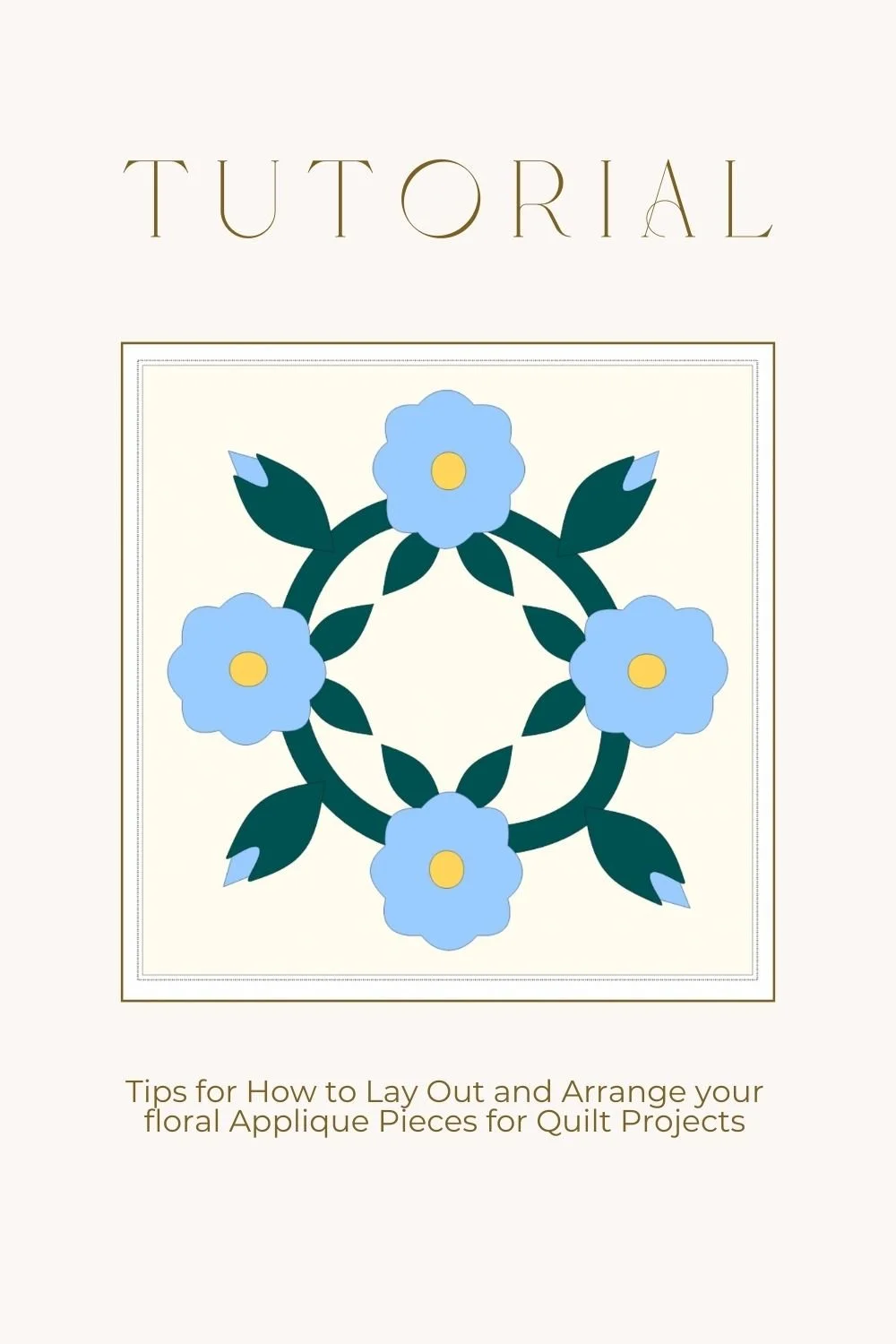
One of the biggest reasons I love it is because placement feels so much less stressful. With fusible web, I can move pieces around, play with the layout, and really get a feel for the design before I commit. That part feels creative instead of tense. I can layer petals, leaves, stems, and little details until everything feels balanced and lovely, and I’m not fighting with slippery fabric the whole time.
I also love how artistic it feels. Raw edge fusible appliqué gives you so much freedom to build layered, expressive designs that feel soft and full of personality. It doesn’t feel stiff or overly precious. It feels playful. A little more relaxed. A little more alive. That’s a big part of the charm for me.
And with machine stitching? I honestly think it shines. Whether you use a straight stitch, zigzag, or blanket stitch, the finished result has so much character. The stitching becomes part of the design rather than something you’re trying to hide. I love that. I love seeing the thread. I love the texture. I love that it looks handmade in the best possible way.
That’s another reason this method has my heart: it gives such a lovely handmade texture. The slight fraying around the edges, the visible stitching, the softness of the layered fabric—it all adds depth and warmth. Nothing feels too perfect or too flat. It feels real. It feels human. It feels like a piece was made slowly and with care.
What I really appreciate is that it’s beginner friendly without feeling limiting. You can start simple and make something gorgeous, but you can also keep growing with it and create more detailed, layered designs over time. It meets you where you are, which I think is such a gift.
For me, raw edge fusible appliqué is the perfect mix of beauty and practicality. It’s easier to learn, easier to manage, and so much more forgiving than some other methods, but it still gives you a result that feels rich, artistic, and full of soul. And honestly? That combination is hard to beat.
Is Raw Edge Fusible Appliqué Right for Every Quilt?
Honestly? No. And that is completely okay.
I love raw edge fusible appliqué, but I do not think it is the perfect choice for every single quilt. Quilting is full of different techniques for a reason. We all want different things from the process, and we all love a different finished look.
If you are making a very traditional heirloom-style quilt, needle-turn appliqué might be the better fit. It has that soft, refined, hand-finished look that feels timeless and incredibly special. It is slower, yes, but that is part of its beauty.
If you want a really polished edge with a crisp, tidy finish, prepared-edge appliqué may make more sense. That method gives you a cleaner look and can feel a little more formal and structured.
But when the goal is ease, creativity, and a more relaxed, modern texture? That is where raw edge fusible appliqué really shines.
It is approachable. It is flexible. It lets you play. You can layer shapes, move pieces around, and create something beautiful without feeling like every tiny detail has to be perfect. I think that is part of why I love it so much. It feels artistic without being fussy.
At the end of the day, no appliqué method is universally “best.” It really comes down to the look you want and the kind of experience you want while making it. Do you want slow and meditative? Crisp and polished? Playful and forgiving?
That answer will tell you a lot.
And truly, there is no wrong choice here. The best appliqué method is the one that makes you excited to sit down and keep sewing.
Tips for Getting Great Results with Raw Edge Fusible Appliqué
If you are new to raw edge fusible appliqué, do not overthink it. A few simple choices can make the whole process feel smoother and give you a much nicer finish.
First, choose a lightweight fusible web. This makes a big difference. A heavy fusible can make your fabric feel stiff, and that is usually not the look you want. I like my appliqué to still feel soft and like fabric, not cardboard in disguise. Although, I do love that stiff look for totes and pouches.
Use a pressing cloth and pay attention to your iron temperature too. This helps protect your fabric and keeps the fusible from getting messy or overworked. A little care here saves a lot of frustration later.
Take your time cutting your shapes. They do not need to be machine perfect, but cleaner cuts usually give you smoother edges and a nicer overall finish. Especially with florals or curved shapes, a careful cut goes a long way.
If you are a beginner, start simple. Bigger shapes are easier. Fewer layers are easier. You do not need to begin with the world’s most complicated flower just because it is cute. Save that chaos for later.
Before you stitch down your final piece, test your stitch length and thread on scraps first. Always. It is such a small step, but it helps you see what look you actually want before committing to the real thing.
You can also play with different stitches depending on the finish you like best. A straight stitch gives a softer, more relaxed look and allows for a bit of fraying over time, which I personally love. A zigzag stitch gives more coverage and durability. A blanket stitch has a more decorative, traditional feel. None of them are wrong. It is just a matter of what suits your project.
And maybe my favorite tip of all: do not stress over tiny imperfections.
A slightly wonky petal edge. A shape that is not totally symmetrical. A bit of soft fraying. That is the charm. That is the handmade part. That is what gives raw edge fusible appliqué its warmth and personality.
It is not supposed to look factory made. It is supposed to look loved.
check out my fave quilting toolsFinal Thoughts on Choosing the Best Appliqué Technique for Quilting
The truth is, there really is no one “right” appliqué technique. Each method has its own beauty, its own rhythm, and its own place. Needle-turn appliqué has that timeless, heirloom feel. Prepared-edge appliqué looks neat and polished. Reverse appliqué can be incredibly striking and artistic. They all bring something lovely to the table.
I think the best appliqué method really comes down to you—your style, your patience, your workflow, and what kind of experience you want to have while you make. Some quilters love slow handwork and tiny, precise details. Others want a method that feels more relaxed, playful, and approachable. Neither is better. It just depends on what fits your hands and your creative process best.
For me, raw edge fusible appliqué stands out because it gives me that sweet spot between beauty and ease. I love that I can create layered floral shapes and expressive designs without turning the whole process into something stressful or overly complicated. It is flexible, beginner friendly, and visually charming in a way that feels warm and handmade. It has structure, yes, but it still leaves room for softness and personality, which I really love.
And honestly, you do not have to marry yourself to one technique forever. Try a few. Play around. Make a pillow, a pouch, a wall hanging, or a quilt block and see what feels the most natural. Sometimes the method you love most is simply the one that makes you want to keep going.
If you are feeling curious about appliqué and want a starting point that feels approachable and beautiful, raw edge fusible appliqué is such a wonderful place to begin. It is forgiving, creative, and satisfying in all the best ways.
Conclusion
There are so many beautiful ways to use appliqué in quilting, and each technique brings something special to the table. Needle-turn appliqué feels timeless and refined. Prepared-edge appliqué offers a polished finish. Reverse appliqué adds depth and artistry. But for me? Raw edge fusible appliqué is the one I come back to again and again.
I love it because it feels doable, creative, and freeing. It allows me to build floral shapes, layered motifs, and quilted projects without overcomplicating the process. It gives me structure without taking away that soft, handmade feeling, and that balance is everything.
If you have been curious about appliqué for quilting, this is such a lovely place to begin. Try a few methods, see what feels good in your hands, and do not be afraid to fall in love with the one that makes you want to keep making.
And if that ends up being raw edge fusible appliqué? Well... I get it. It is a really beautiful way to sew! Discover my applique patterns below!
pin it for later