
HeatnBond Lite vs UltraHold vs FeatherLite: What’s the Difference and Which One Should You Use for Quilt Projects?
Learn the difference between HeatnBond Lite, UltraHold, and FeatherLite, including when to use each one, how to apply them, and which fusible is best for sewn vs no-sew appliqué projects.
If you’ve ever stood in the sewing aisle staring at a row of HeatnBond products and wondering which one you actually need, you are definitely not alone. They can look similar at first glance, but they are made for different jobs.
The biggest difference is this: HeatnBond Lite and HeatnBond FeatherLite are sewable adhesives, while HeatnBond UltraHold is a no-sew adhesive. According to Therm O Web, Lite and FeatherLite are meant to temporarily hold appliqué pieces in place until you stitch through them, while UltraHold is designed to permanently bond fabrics together without sewing.
From personal experience, I almost always prefer Lite for my sewing projects. It holds the appliqué nicely without adding too much stiffness, and it behaves the way I want it to while I stitch. For non-sewn projects, I prefer UltraHold. That stronger no-sew bond can be really helpful when working with small appliqué shapes or decorative details you do not want to stitch around.
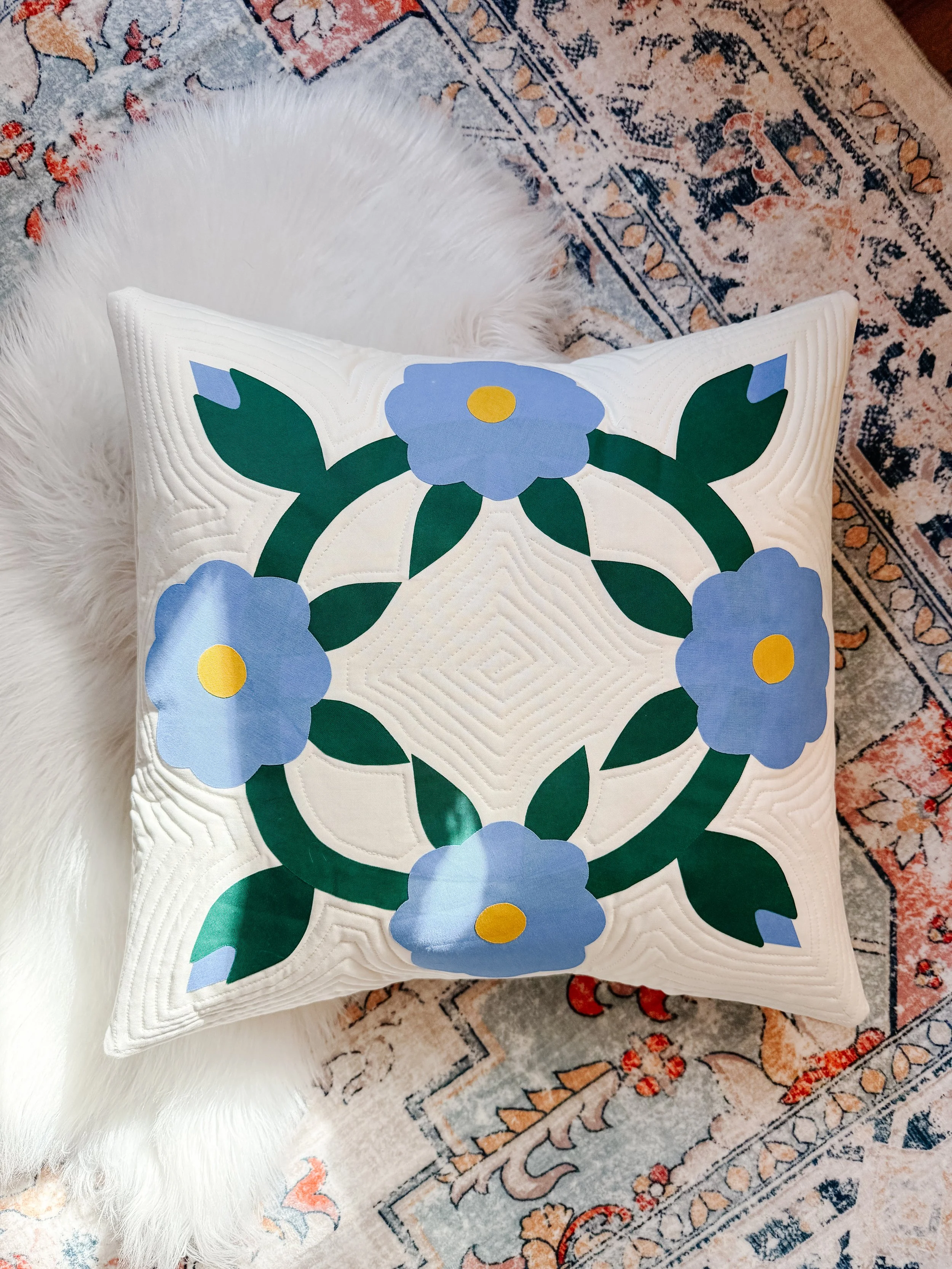
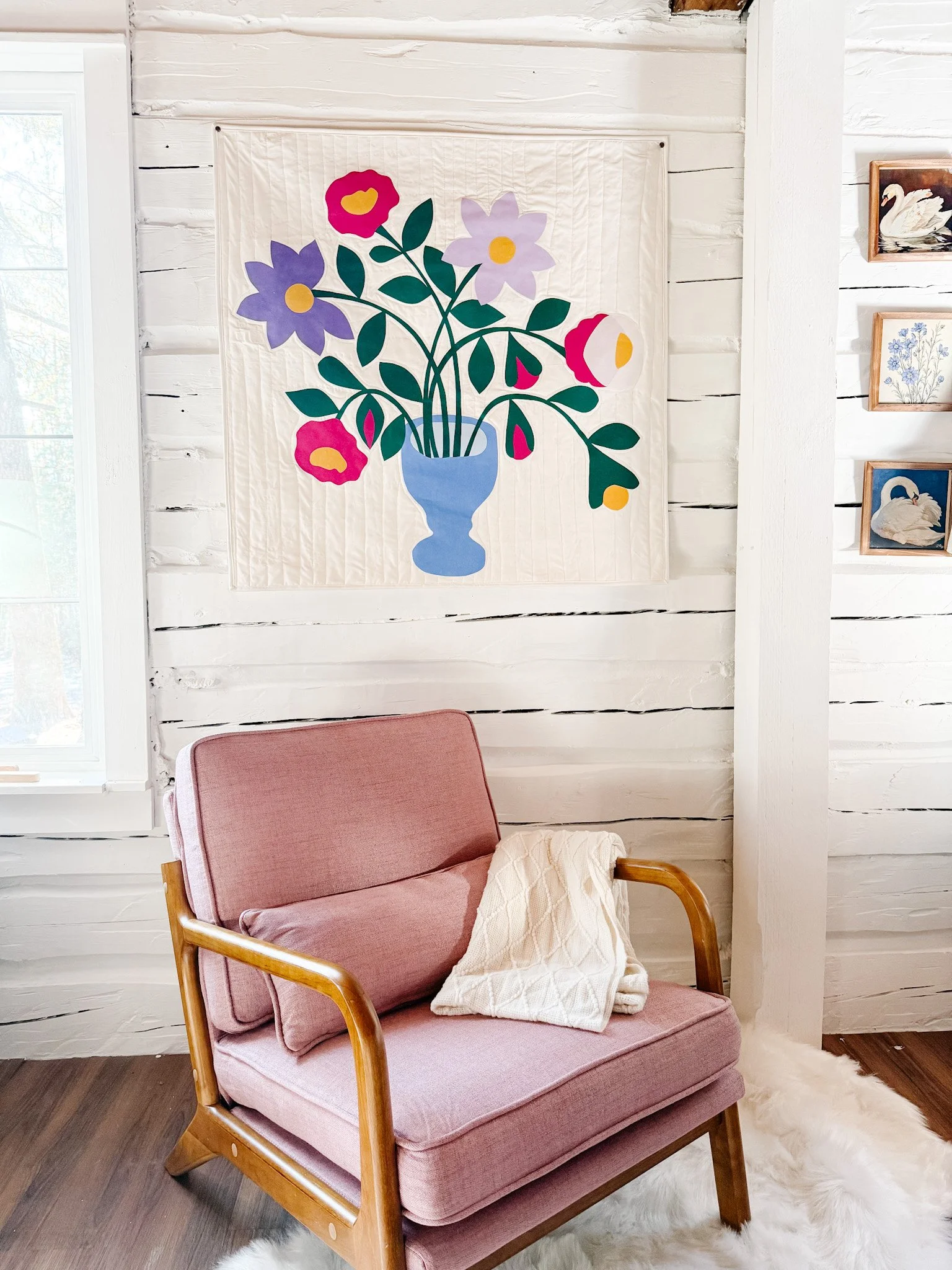
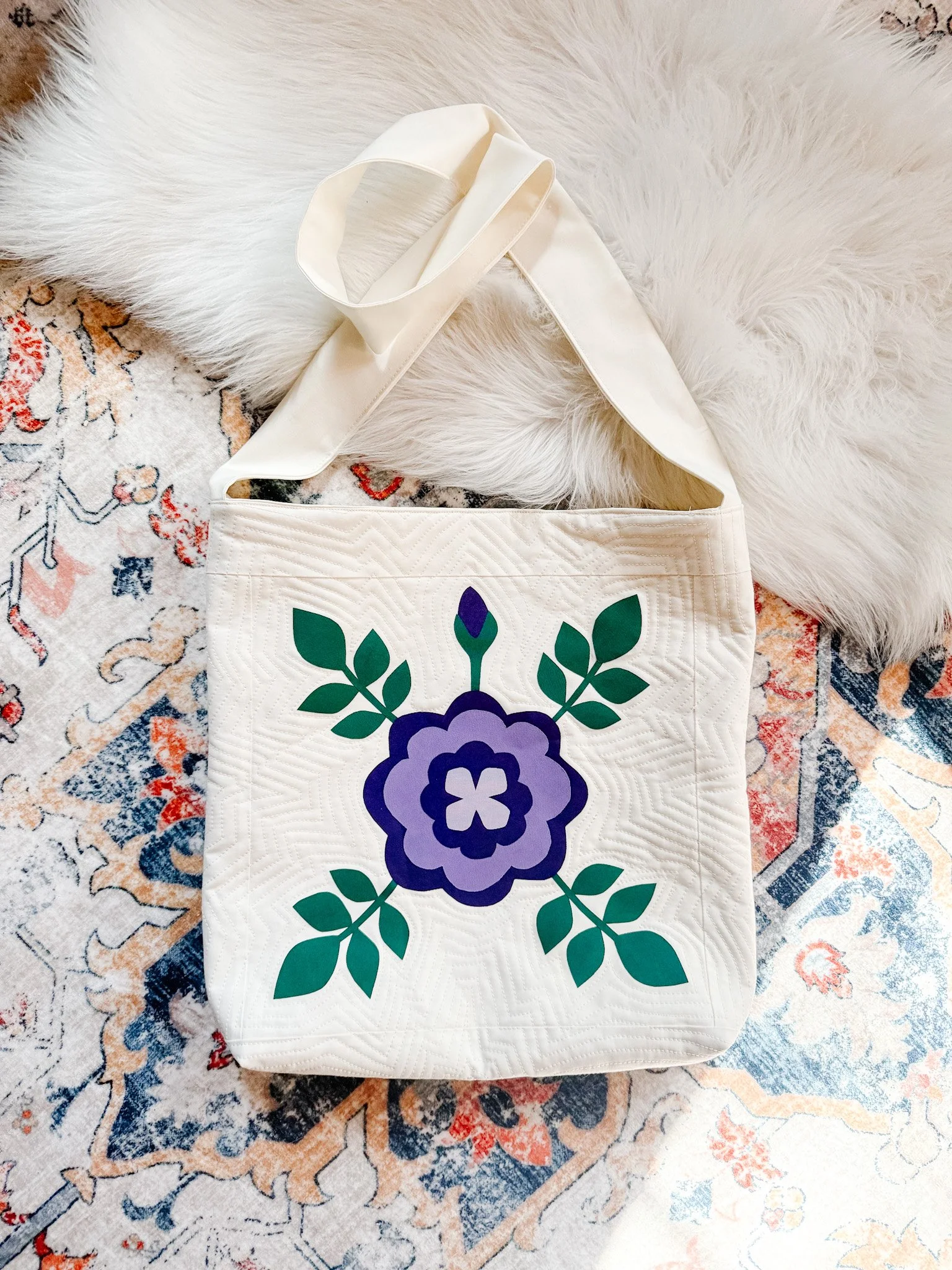
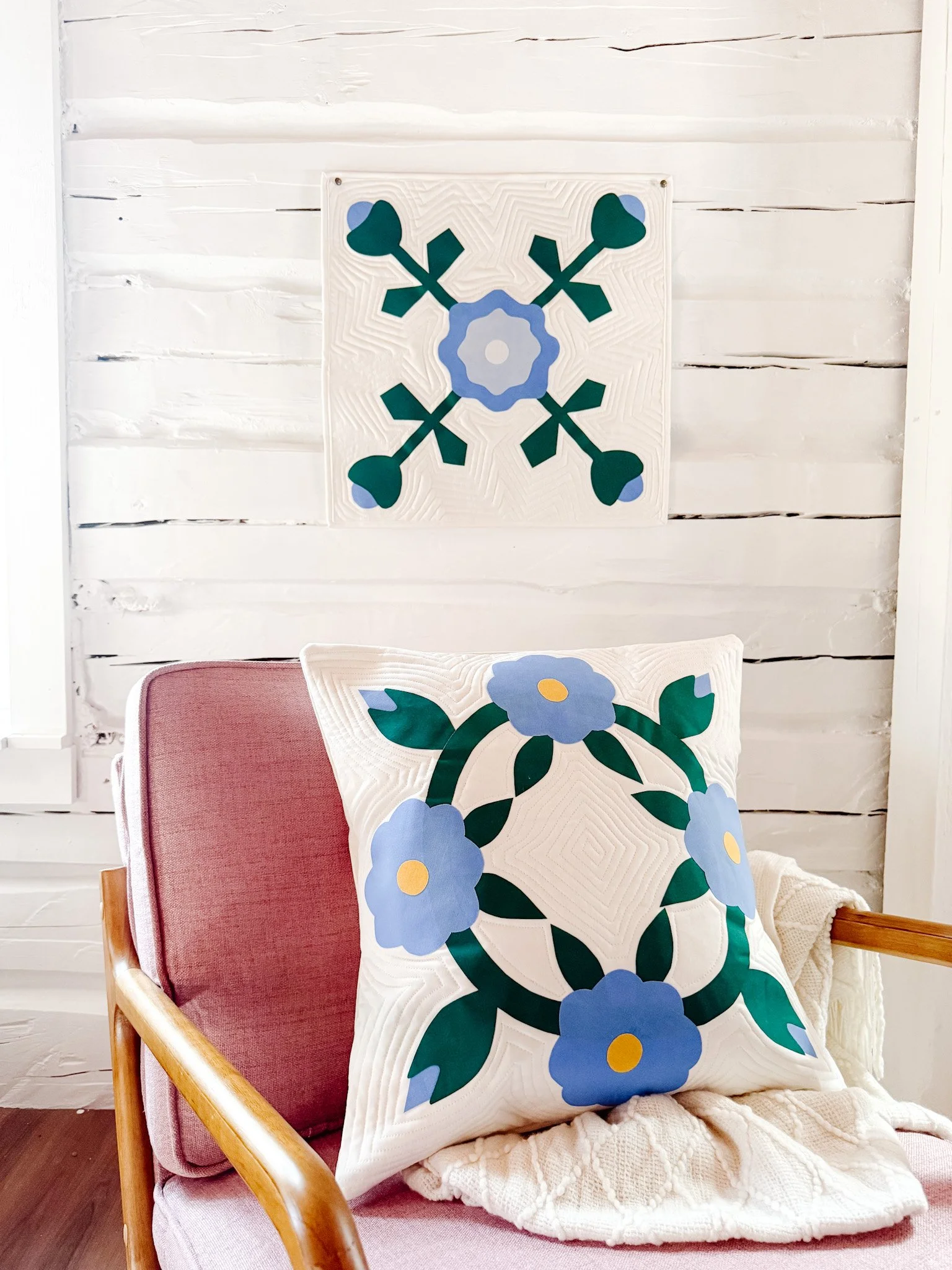
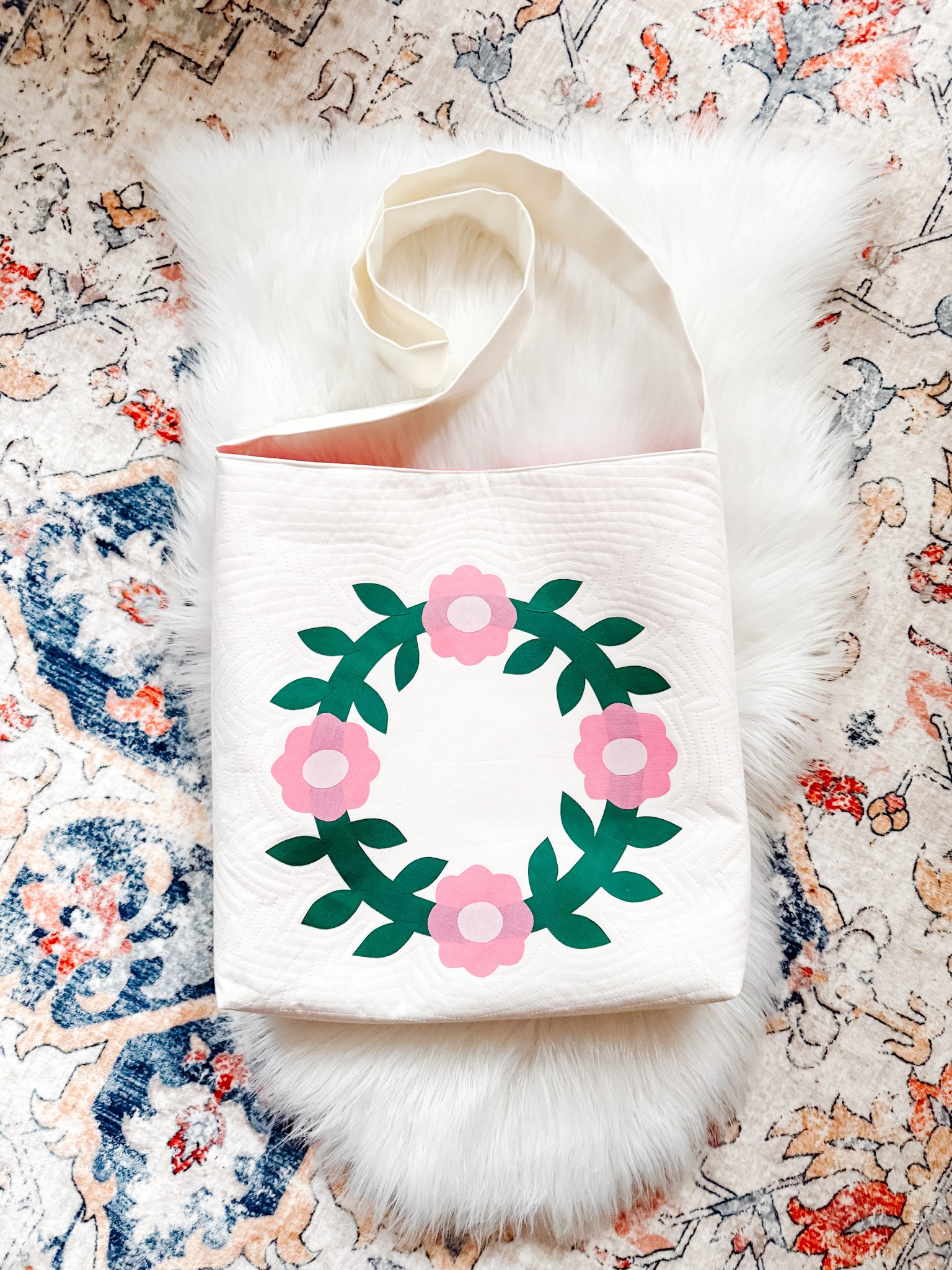
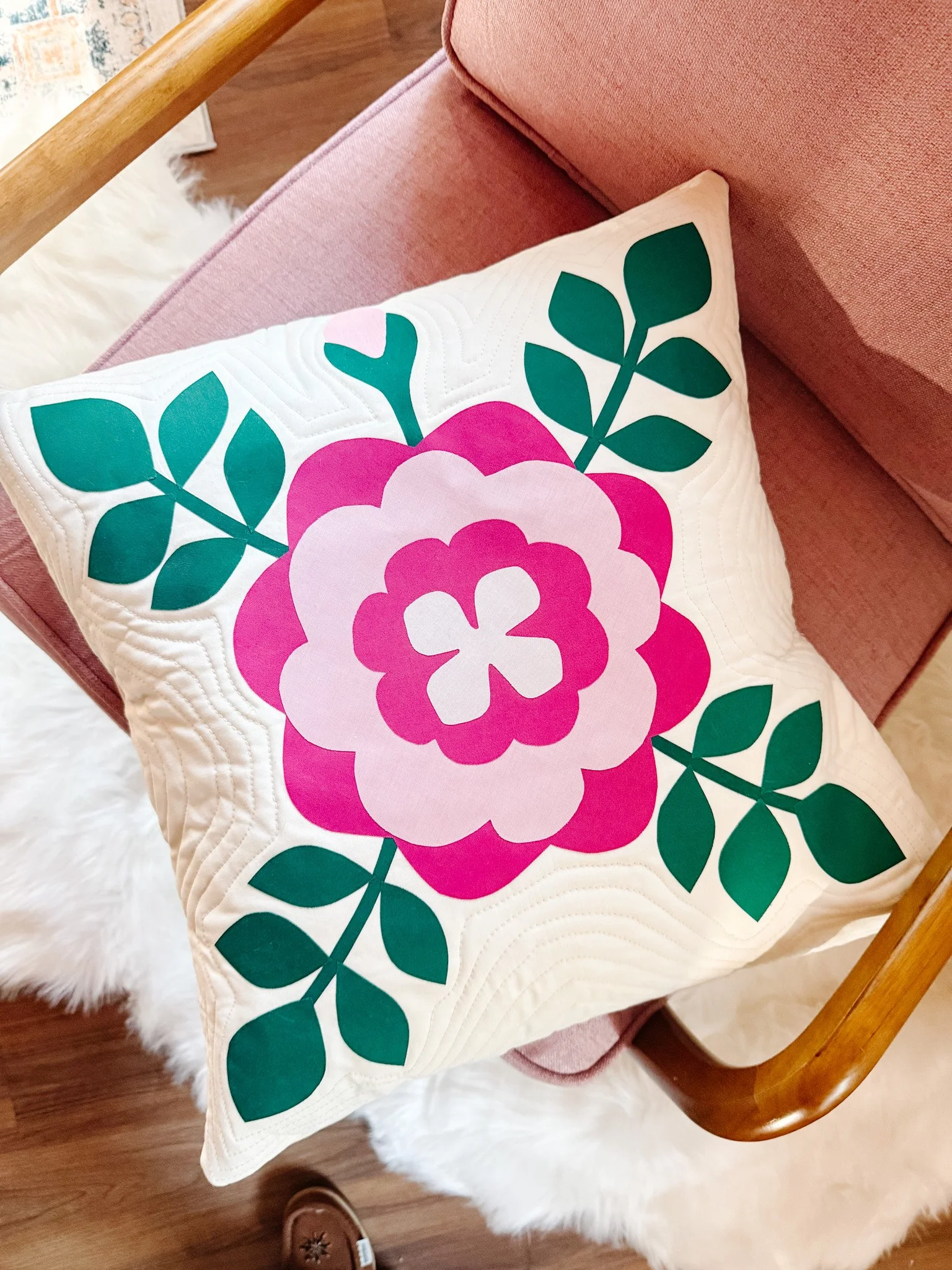
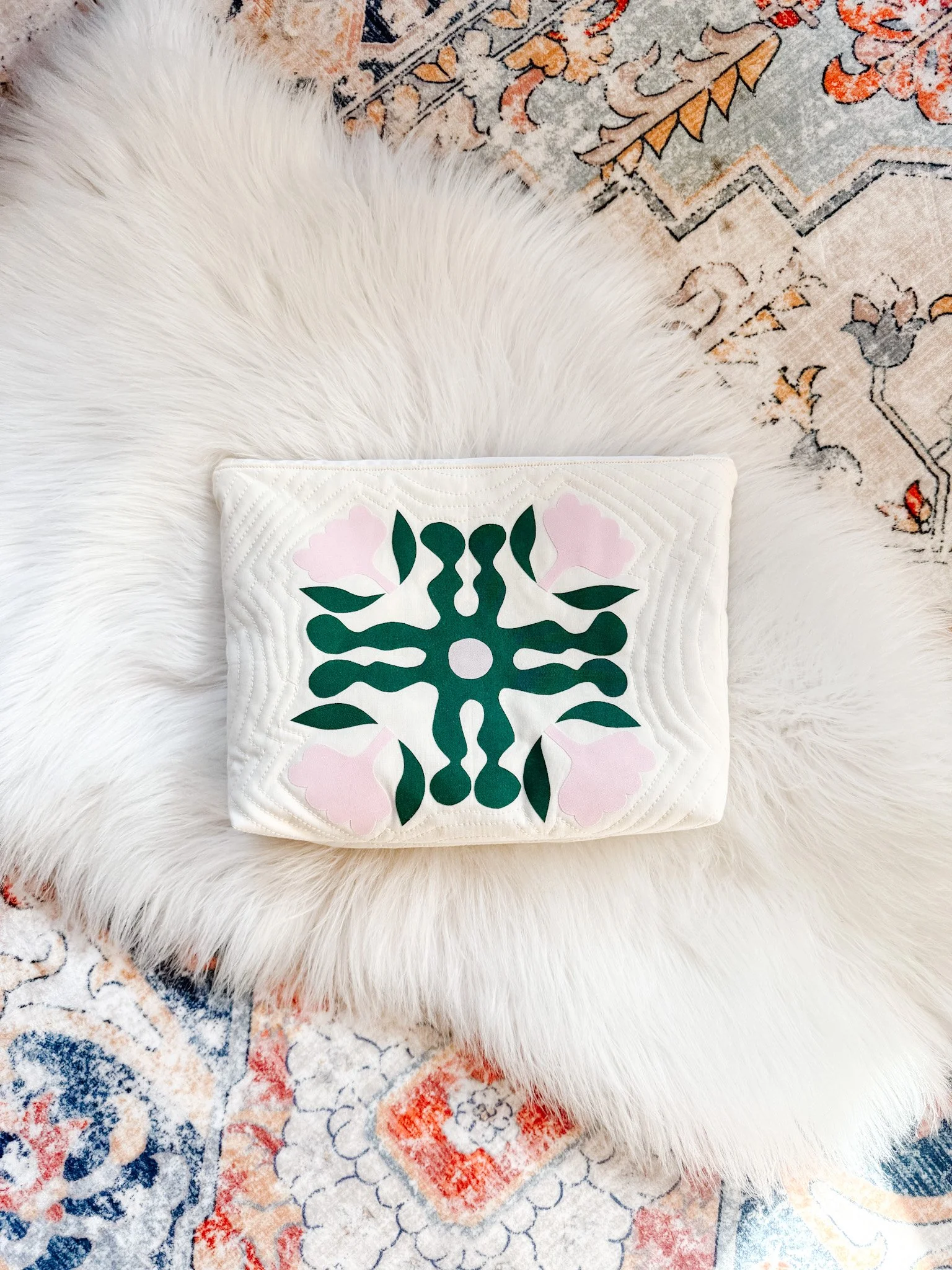
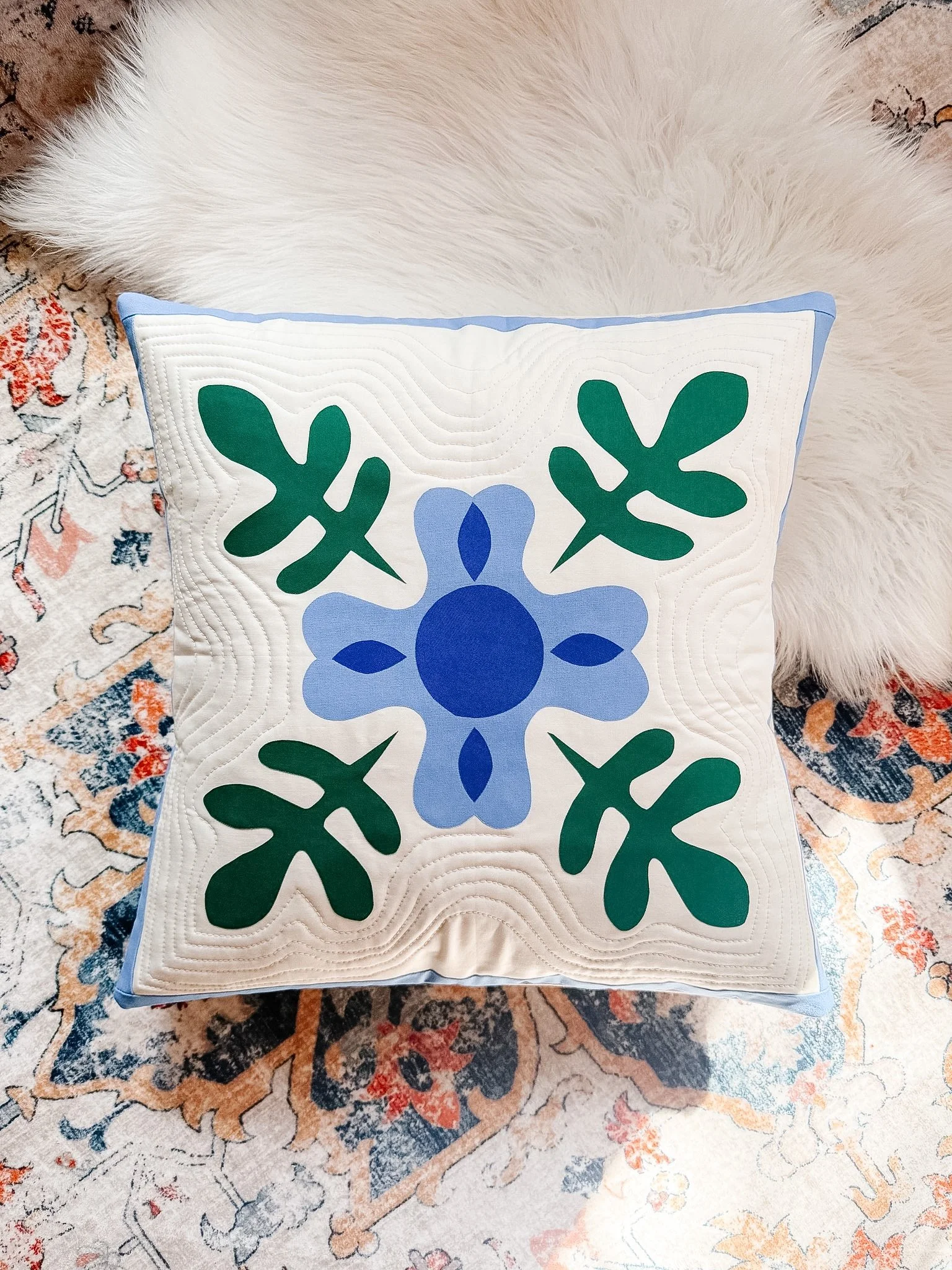
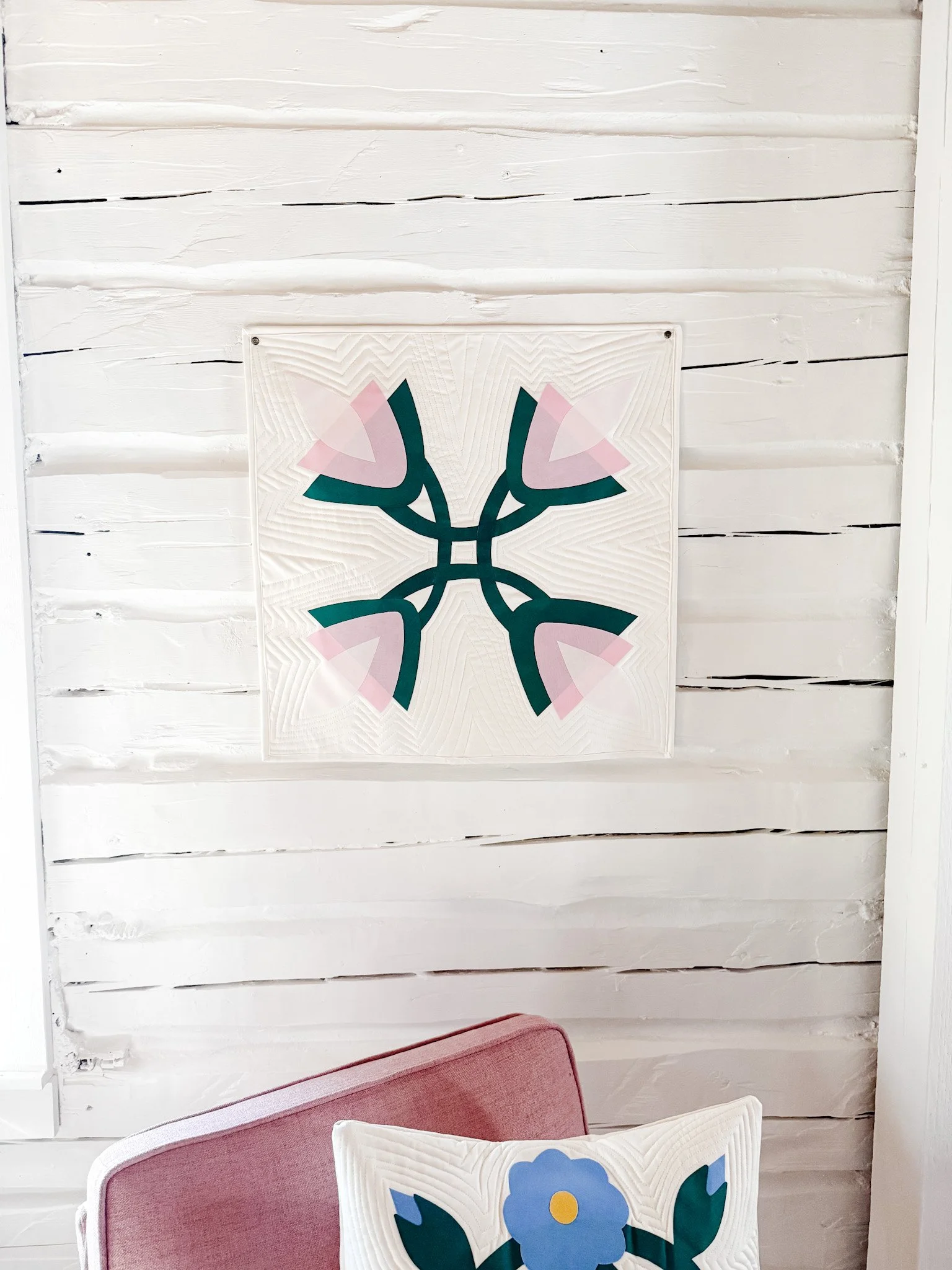
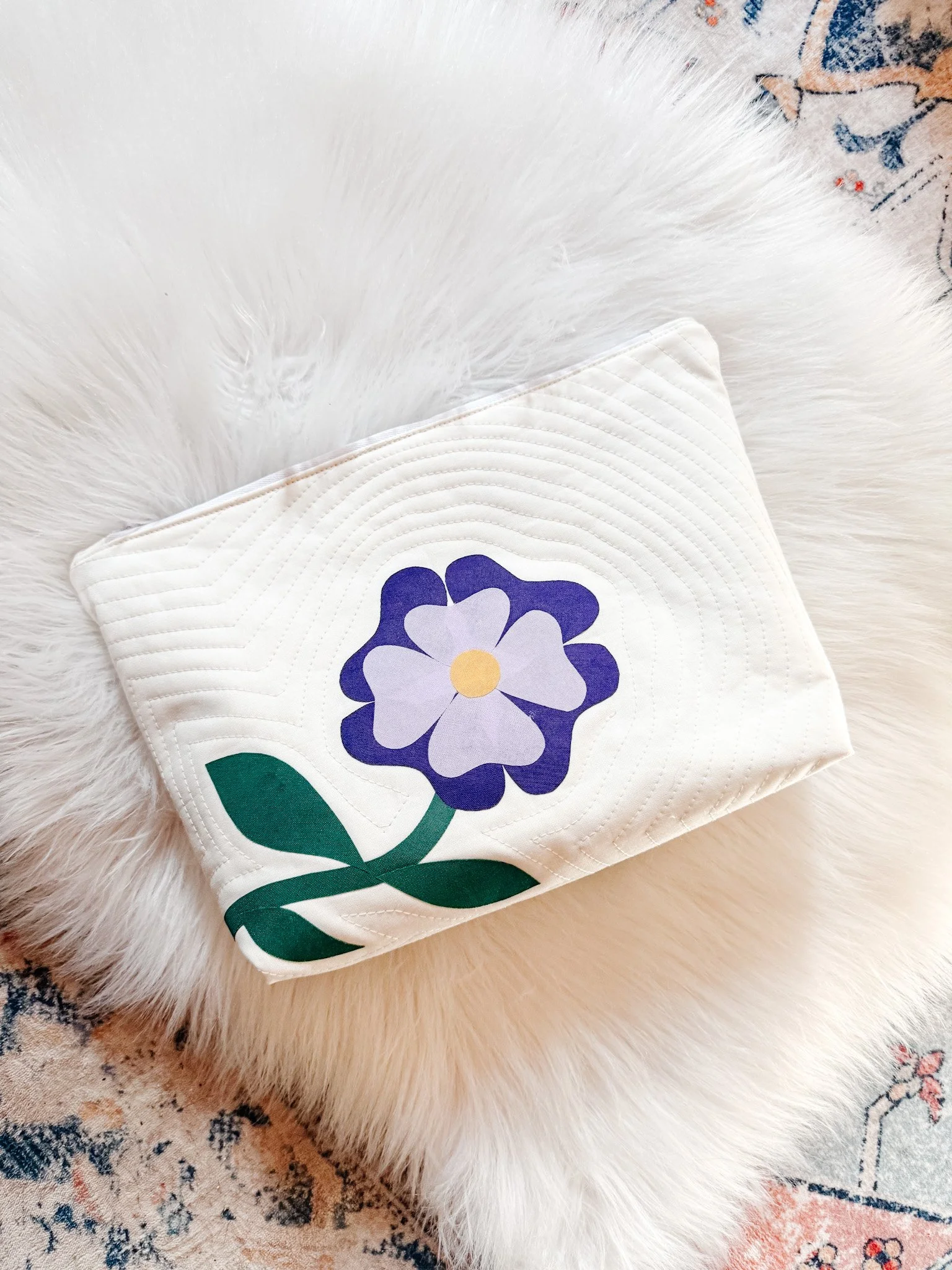
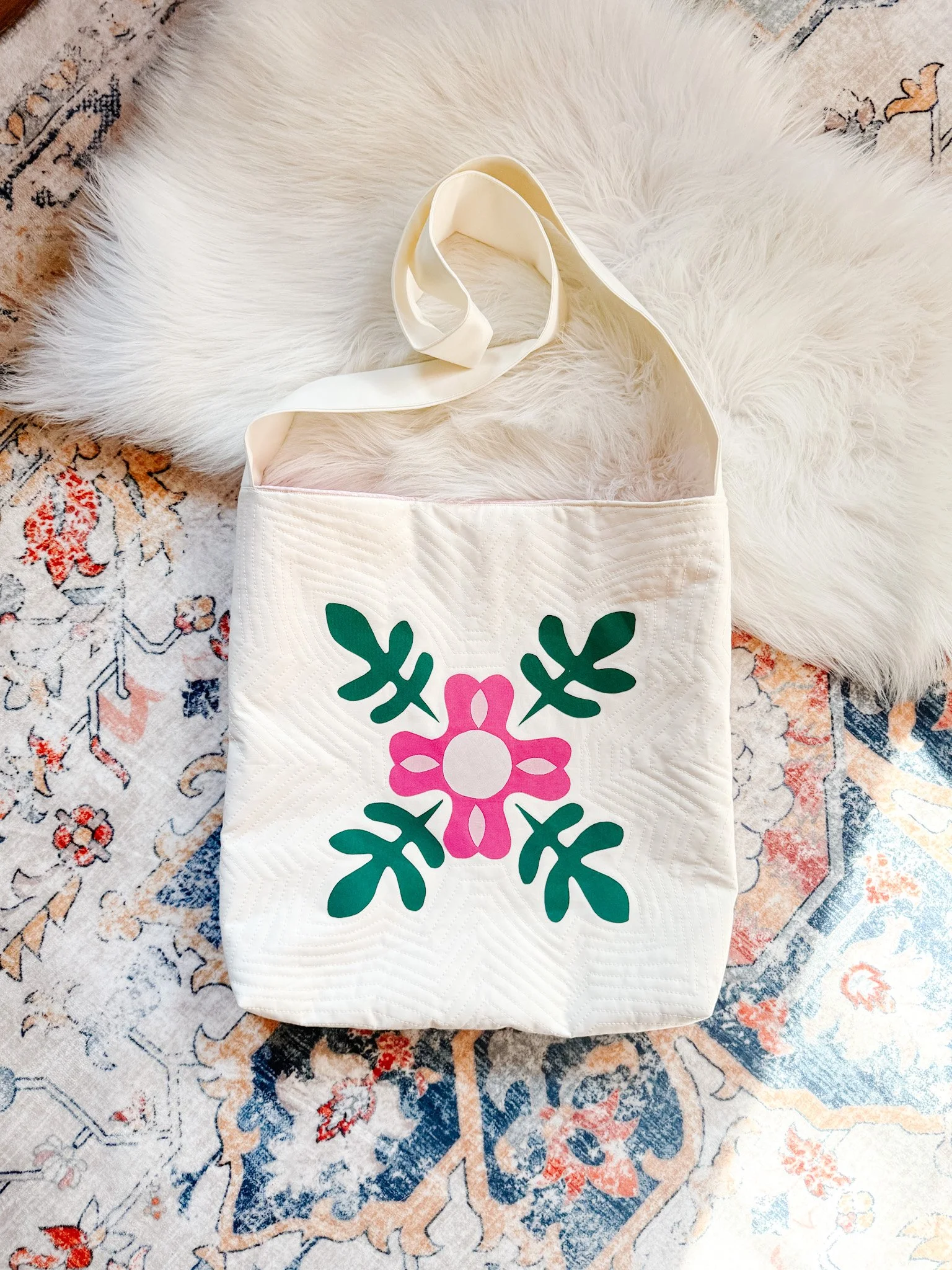
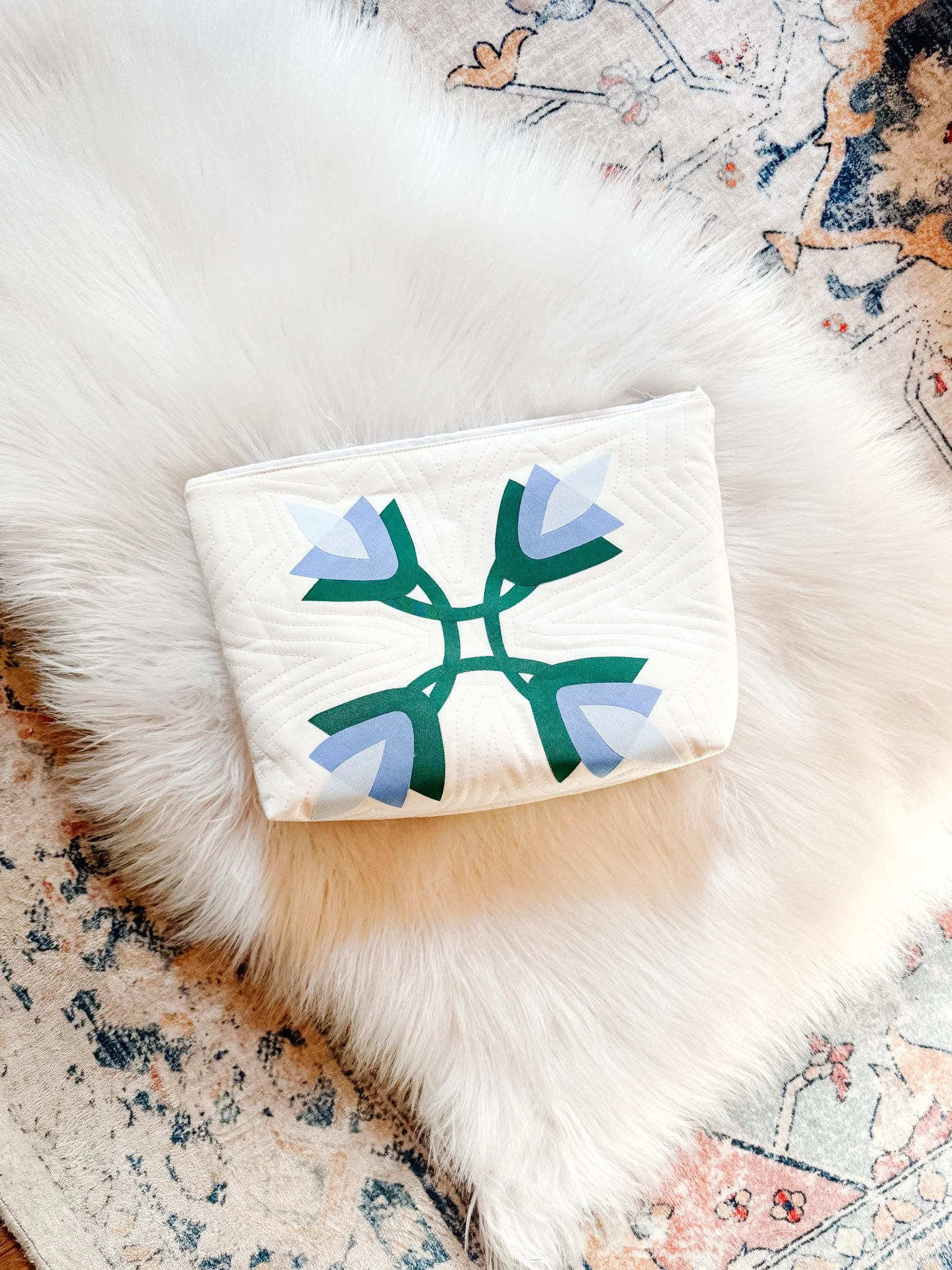
What is HeatnBond Lite?
HeatnBond Lite is a paper-backed, iron-on, sewable, double-sided adhesive. Therm O Web says it is made for bonding fabric without extra weight or stiffness and is meant to be used in place of pinning or basting for appliqué shapes on quilts, wall hangings, and apparel.
This is the one I recommend most often for standard sewn appliqué. If you are making a quilt block, wall hanging, pillow, garment detail, or another fabric project where you plan to stitch around the edges afterward, Lite is usually the best fit. Therm O Web’s FAQ is very clear that Lite must be sewn through after adhering to make the bond permanent.
What is HeatnBond UltraHold?
HeatnBond UltraHold is a paper-backed, iron-on, no-sew, double-sided adhesive. Therm O Web describes it as a stronger no-sew bond than traditional fusible webs and says it is designed for permanent bonding without pinning or sewing.
This is the version to use when you do not want to stitch. If you want the adhesive itself to do the work, UltraHold is the right one. It is not just “stronger Lite.” It is a completely different category within the line. Therm O Web specifically distinguishes UltraHold from Lite and FeatherLite by saying Lite and FeatherLite are sew-through products, while UltraHold is the no-sew option.
For my own projects, this is the one I prefer for non-sewn appliqué details, especially when the shapes are small and I do not want to stitch around every edge.
What is HeatnBond FeatherLite?
HeatnBond FeatherLite is also a paper-backed, iron-on, sewable, double-sided adhesive, but it is designed to be especially lightweight. Therm O Web says FeatherLite is great for multi-layer pieces, landscape quilts, and wearables, and that it gets even softer after laundering.
So while Lite is a great all-around sewable fusible, FeatherLite is the one to look at if you want the softest, least bulky feel possible. Like Lite, though, FeatherLite still needs to be sewn through after fusing for a permanent finish.
HeatnBond Lite vs UltraHold vs FeatherLite
Here’s the simplest breakdown.
Use HeatnBond Lite if:
You are making a sewn appliqué project
You want something sewable
You want to hold pieces in place before stitching
You are working on quilts, wall hangings, or apparel
Use HeatnBond UltraHold if:
You want a no-sew bond
You do not want to stitch around the appliqué
You want a more permanent adhesive hold from the fusible itself
Use HeatnBond FeatherLite if:
You want a sewable fusible
You want the lightest feel possible
You are working with layered appliqué, softer fabrics, or wearables
How to use HeatnBond Lite
Therm O Web says fabric should be prewashed before using HeatnBond because fabric sizing can interfere with adhesion and can also contribute to stiffness.
To use Lite:
Prewash and dry your fabric (these are the instructions on the label but I never ever prewash, so you do you!)
Place the adhesive on the wrong side of your appliqué fabric with the paper side facing up
Use a dry iron and fuse the adhesive to the fabric with medium-high heat for 8 seconds (usually a 5 or wool setting on your iron)
Let it cool
Cut out your appliqué shape
Peel away the paper backing
Place the shape onto your background fabric
Press it in place for 8 seconds
Sew around the shape to finish it permanently
That final stitching step matters. Lite is not meant to replace sewing in a finished appliqué project. It is meant to hold everything in place beautifully while you stitch.
shop for heatnbond lite here.How to use HeatnBond UltraHold
UltraHold follows the same general process at the beginning, but the end use is different because it is made for no-sew bonding.
To use UltraHold:
Prewash and dry your fabric if appropriate for the project (again, I never ever prewash so you do you!)
Place the adhesive on the wrong side of the appliqué fabric with the paper side up
Fuse it with a dry iron using medium-high heat (wool setting or 5 on the iron) for 2-3 seconds
Let it cool
Cut out the shape
Peel off the paper backing
Position it on your base fabric or surface
Press it in place for a permanent no-sew bond for 8 seconds using the wool setting
This is the one to choose when you want the adhesive bond itself to be the finished result.
shop for heatnbond ultrahold hereHow to use HeatnBond FeatherLite
FeatherLite is used very much like Lite.
To use FeatherLite:
Prewash and dry your fabric
Fuse it to the wrong side of the appliqué fabric
Let it cool
Cut out the shape
Peel off the backing
Place it on your project
Press it in place
Sew through it to make the bond permanent
If you love the idea of Lite but want something a little softer and lighter in the finished project, FeatherLite is worth trying.
shop for heatnbond featherlite hereWhich HeatnBond product I prefer
For sewing projects, I prefer HeatnBond Lite. It is reliable, easy to work with, and gives me enough hold without making my appliqué feel too stiff. That matches exactly how Therm O Web positions it: a sewable adhesive for appliqué shapes on quilts, wall hangings, and apparel.
For non-sewn projects, I prefer UltraHold. If I am not planning to stitch the appliqué down, I want the product that is actually designed for that. Therm O Web says UltraHold is the no-sew permanent option, and that is why it makes the most sense in those situations.
FeatherLite sits in a slightly different spot. I would choose that when I want a softer finish, less weight, or more flexibility in a layered or wearable project.
Final thoughts
If you remember nothing else, remember this:
Lite = sewable
FeatherLite = sewable and lighter
UltraHold = no-sew
They are not interchangeable, and choosing the right one from the start will make your project go much more smoothly.
For me, Lite is still the everyday favorite for sewing projects, and UltraHold is the one I reach for when I want a stronger no-sew result.
pin it for later
 Kimberly
Minimalist knitwear designer.